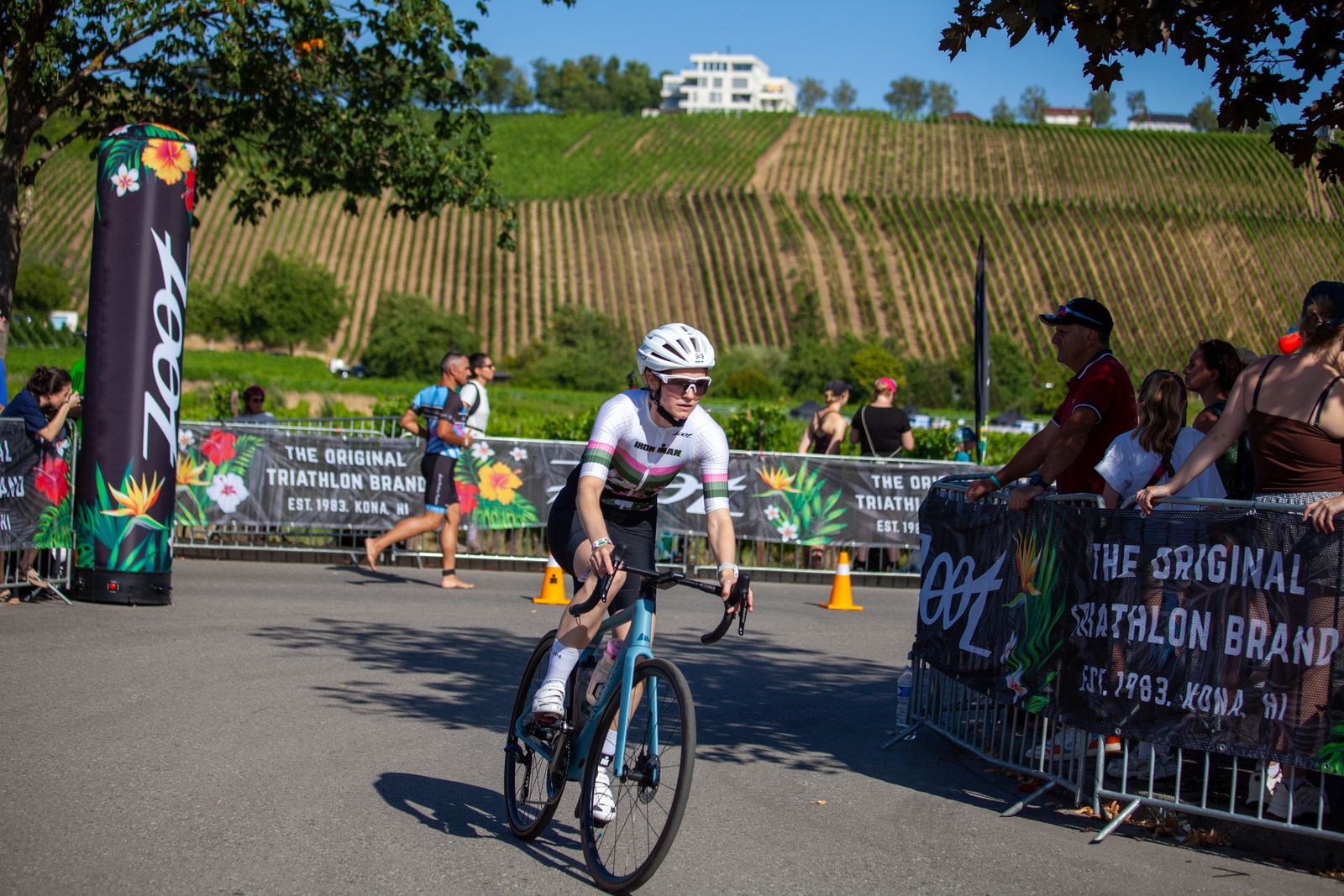
My Way to Triathlon: From a Siberian Village to the Start Line
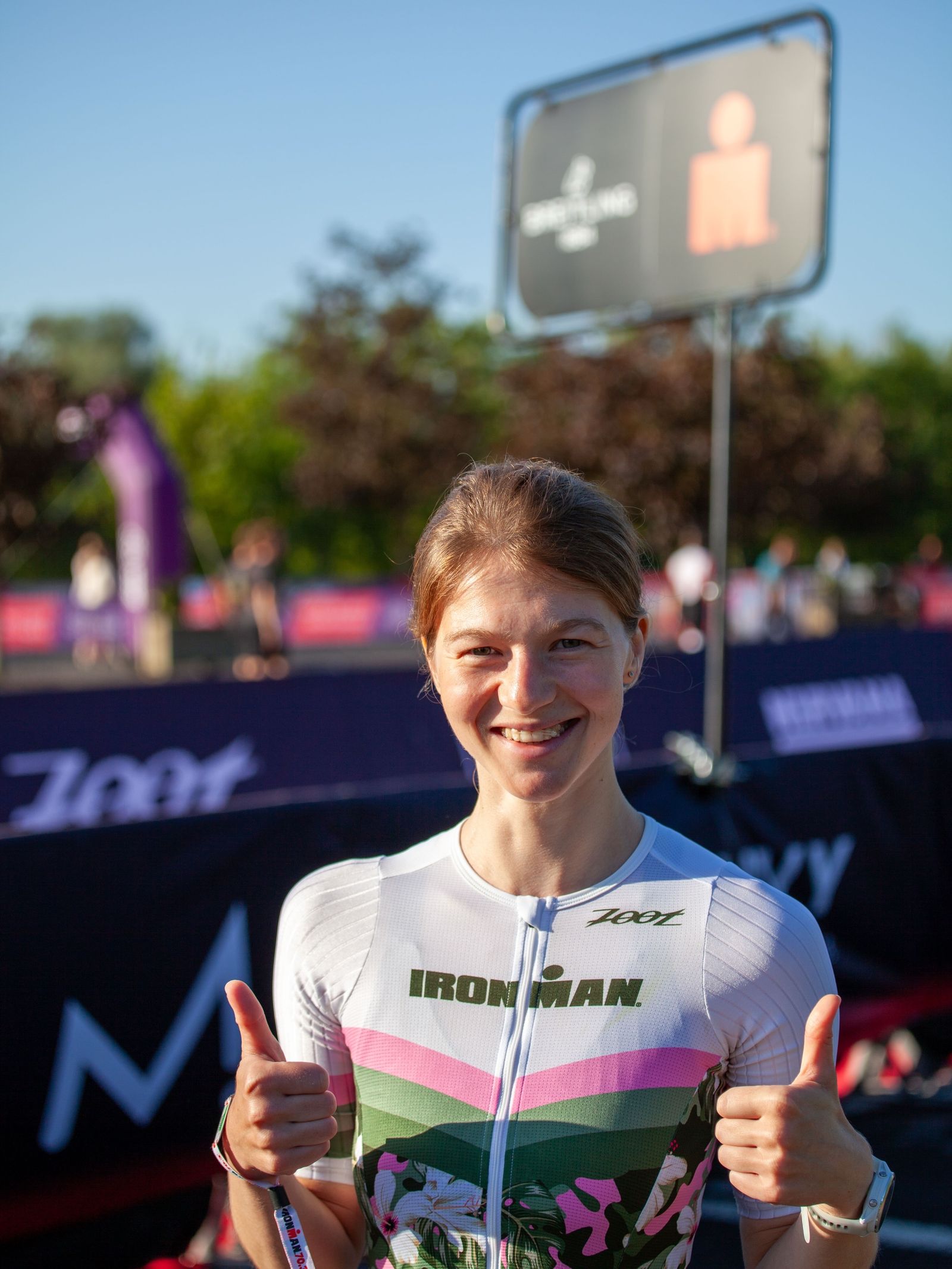
If you had told the little girl from a Siberian village that one day she would sign up for a half Ironman, she would probably have laughed. Not because sport felt impossible, but because triathlon belonged to a completely different world — one I had never seen up close.
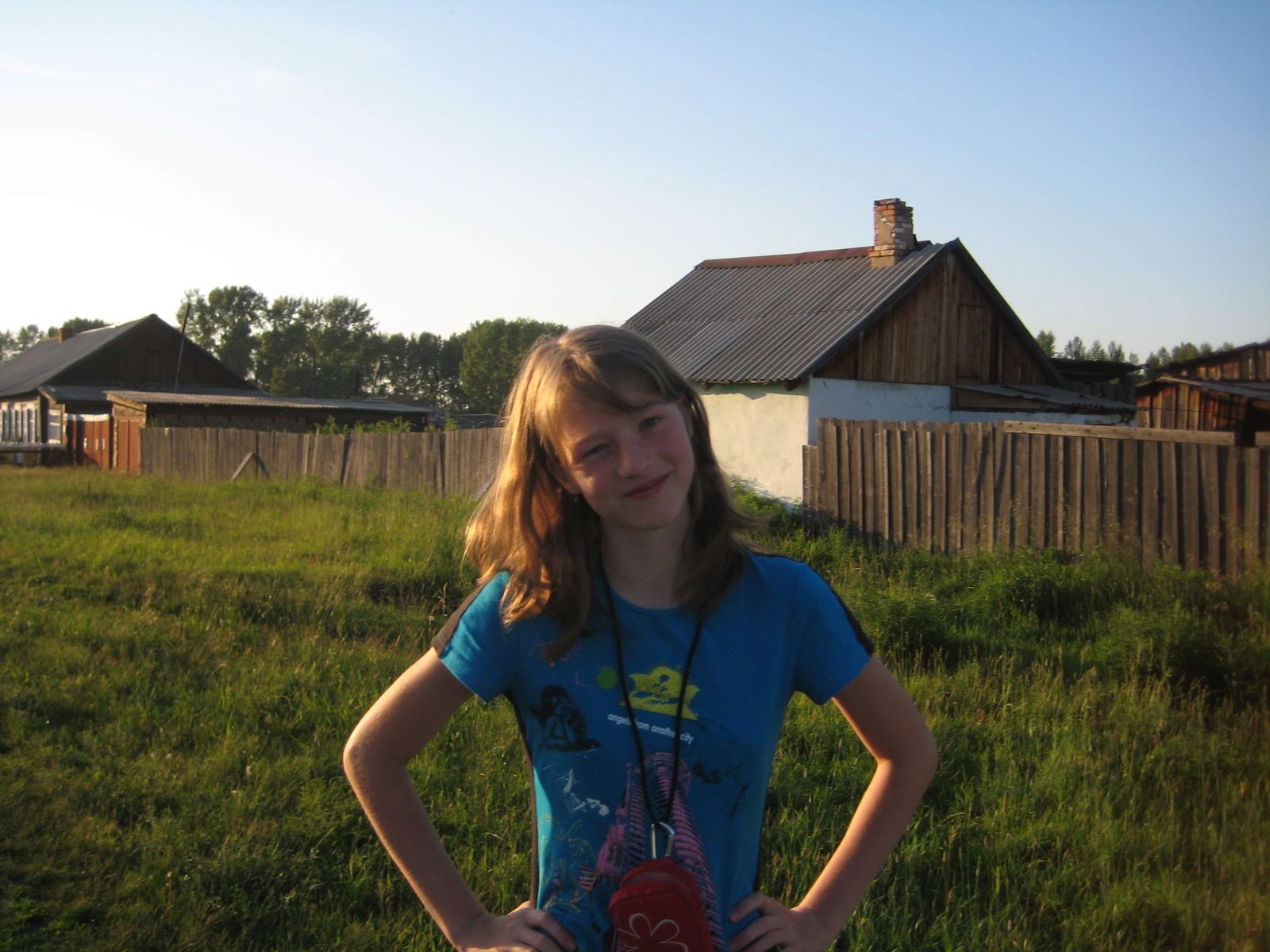
Where I grew up, I did not know a single person who did triathlon. To be honest, I barely knew anyone who did sport seriously at all, apart from volleyball in the school section. Sport was not a lifestyle, not an identity, and definitely not something people built their lives around.
I remember once seeing an extract from Ironman on TV when I was still at school. I was fascinated. I had no idea who these people were or why anyone would willingly do something that extreme. It looked unreal — and, honestly, like something only crazy people would choose to do.
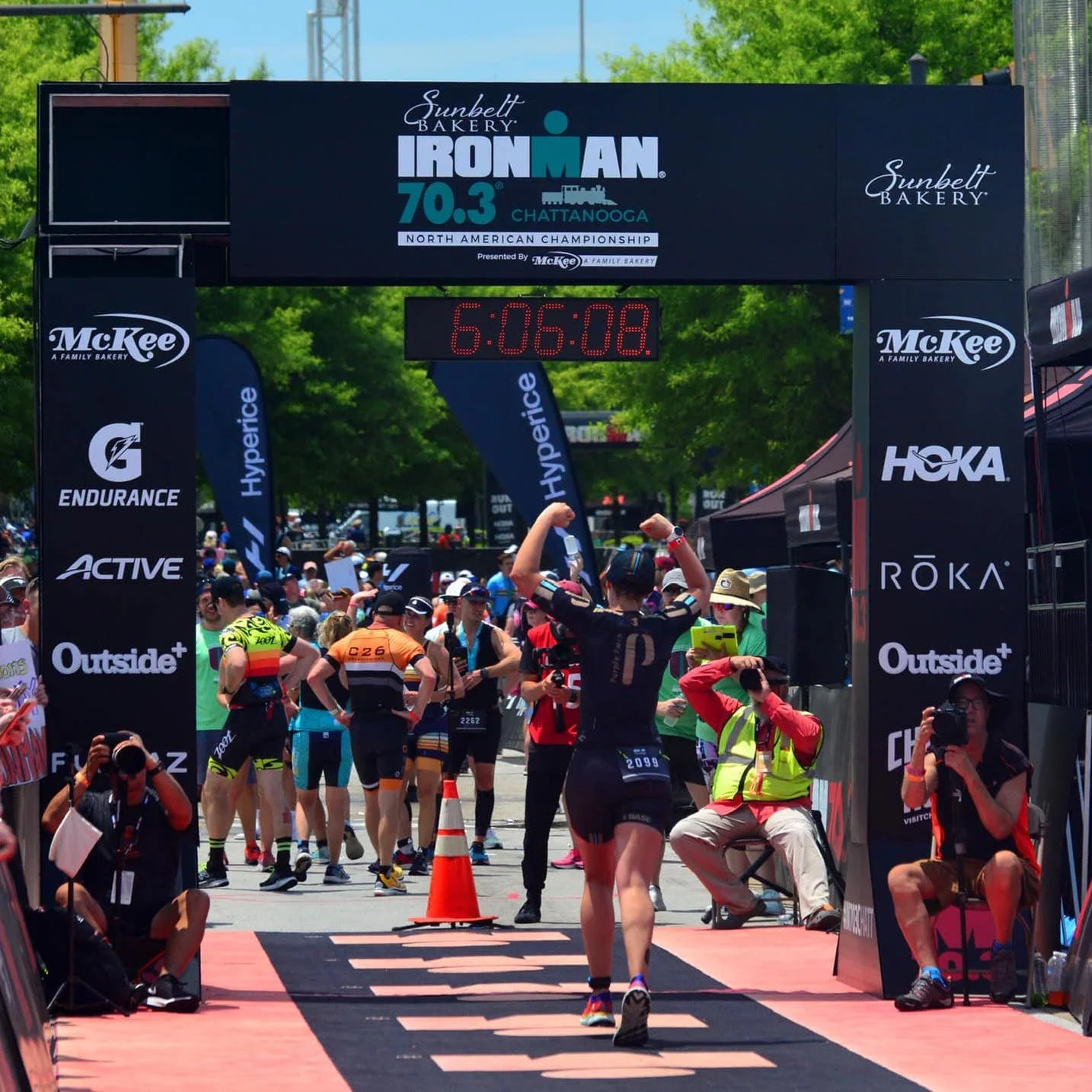
At that point, my world was still very small. Travel meant something distant, almost abstract, and sport belonged to other people too — people from another reality, another level of confidence, another kind of life. I could not have imagined that both travel and endurance sport would later become such a defining part of who I am.
I had no real sporting background myself. I tried dancing, I tried wushu, something close to karate, but none of it really worked out.
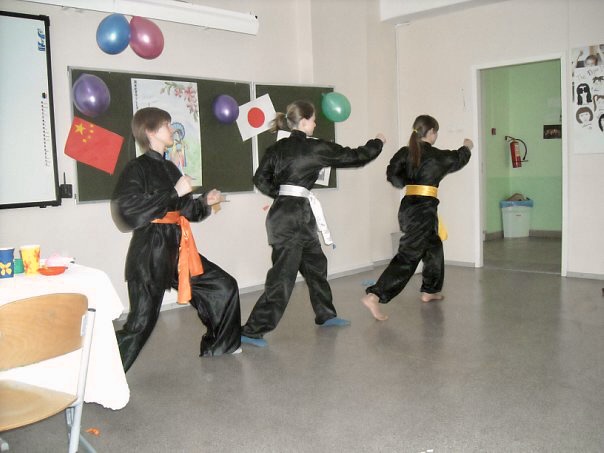
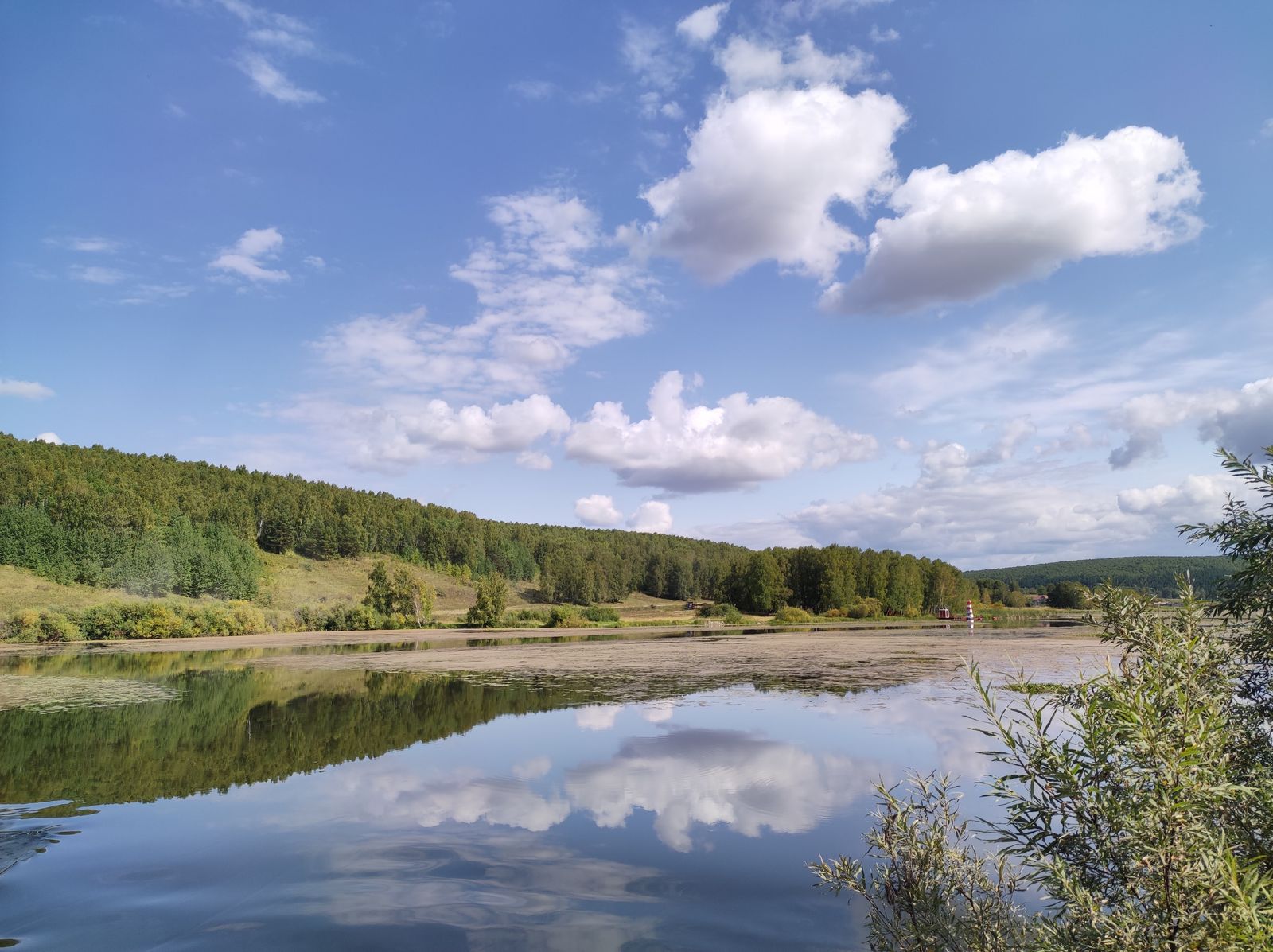
The funny thing is that I do remember being naturally quite good at running, even though I never trained properly. I also loved going to the pool, not to swim seriously, just for fun. And in summer I swam a lot in our small river, Rybnaya. That was probably the closest I got to “open water training” without having the slightest idea.
Things started to shift when I went to university. I chose the most difficult university to get into and that move changed much more than just my education. Suddenly I was surrounded by people who went to the gym, went for runs, looked after themselves, and treated sport as part of normal life. That was new to me.
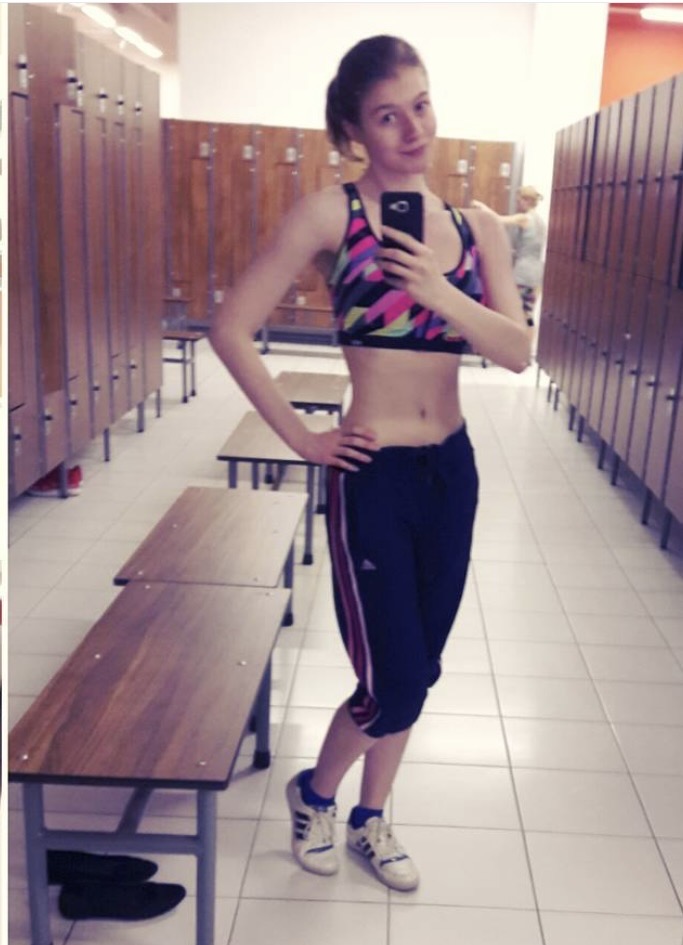
So I started too. Gym, pool, some running — nothing structured, nothing particularly smart, but it was a beginning. I never ran more than 2-3 km, and I had no proper gear at all. I still honestly do not know how I managed not to get injured while running in leather Adidas sneakers and whatever clothes I happened to have. Looking back, it sounds ridiculous, but at the time it felt completely normal.
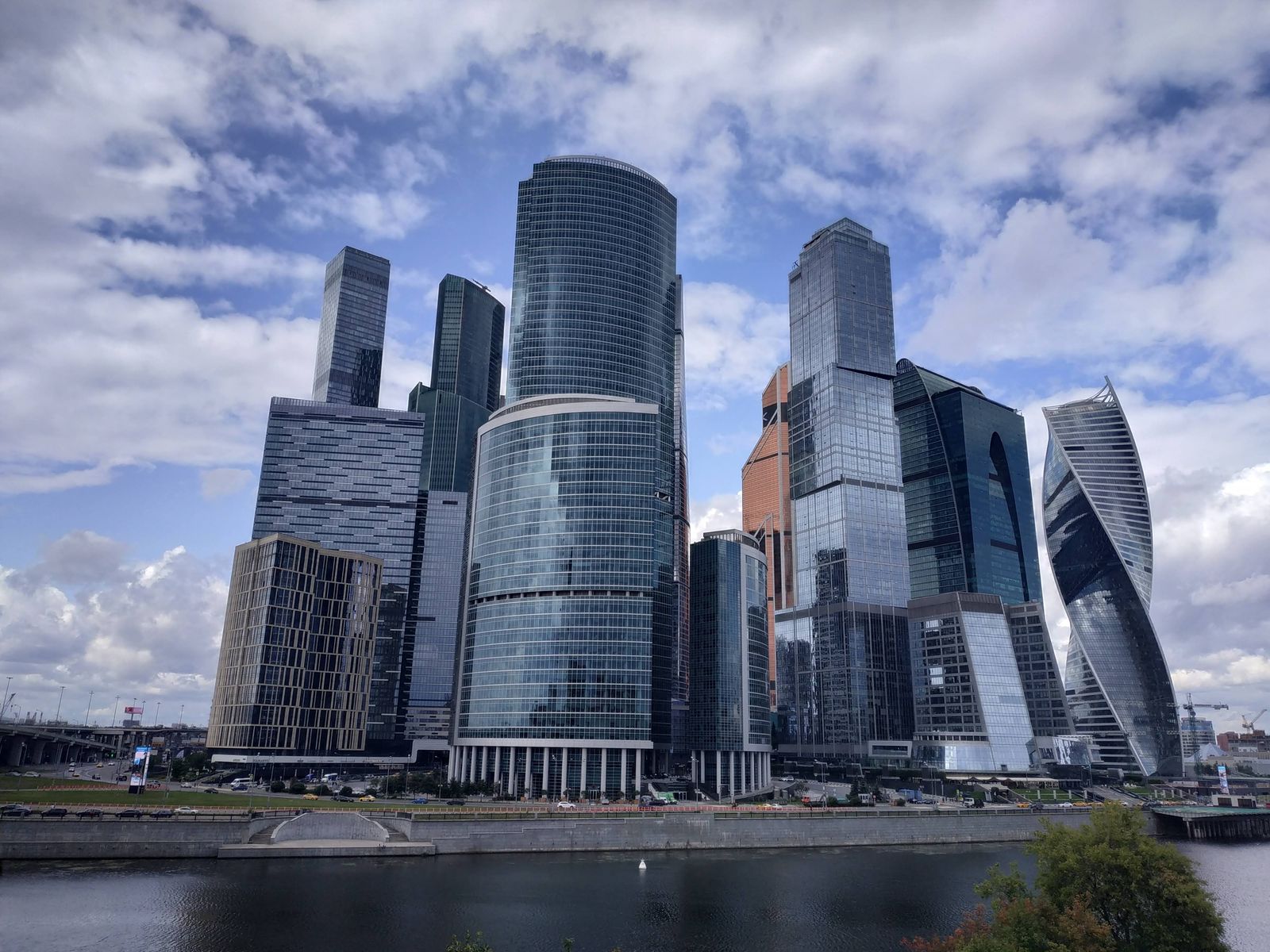
Then I stopped again for a few years. Life moved on. I graduated, started my first job in Moscow City, and heard about triathlon once more. But in my head, it still belonged to another category of people: cool, rich, successful men doing an extremely expensive sport. It felt aspirational, but very far away from me. I remember thinking that maybe I would do it one day, when I was in my thirties and “successful enough.” Until then, I just went to the gym.
The real shift started after I moved to Cyprus for work in the summer of 2016. That move changed more than my address. It gave me a different rhythm of life, more sun, more space, and eventually a more consistent relationship with running.
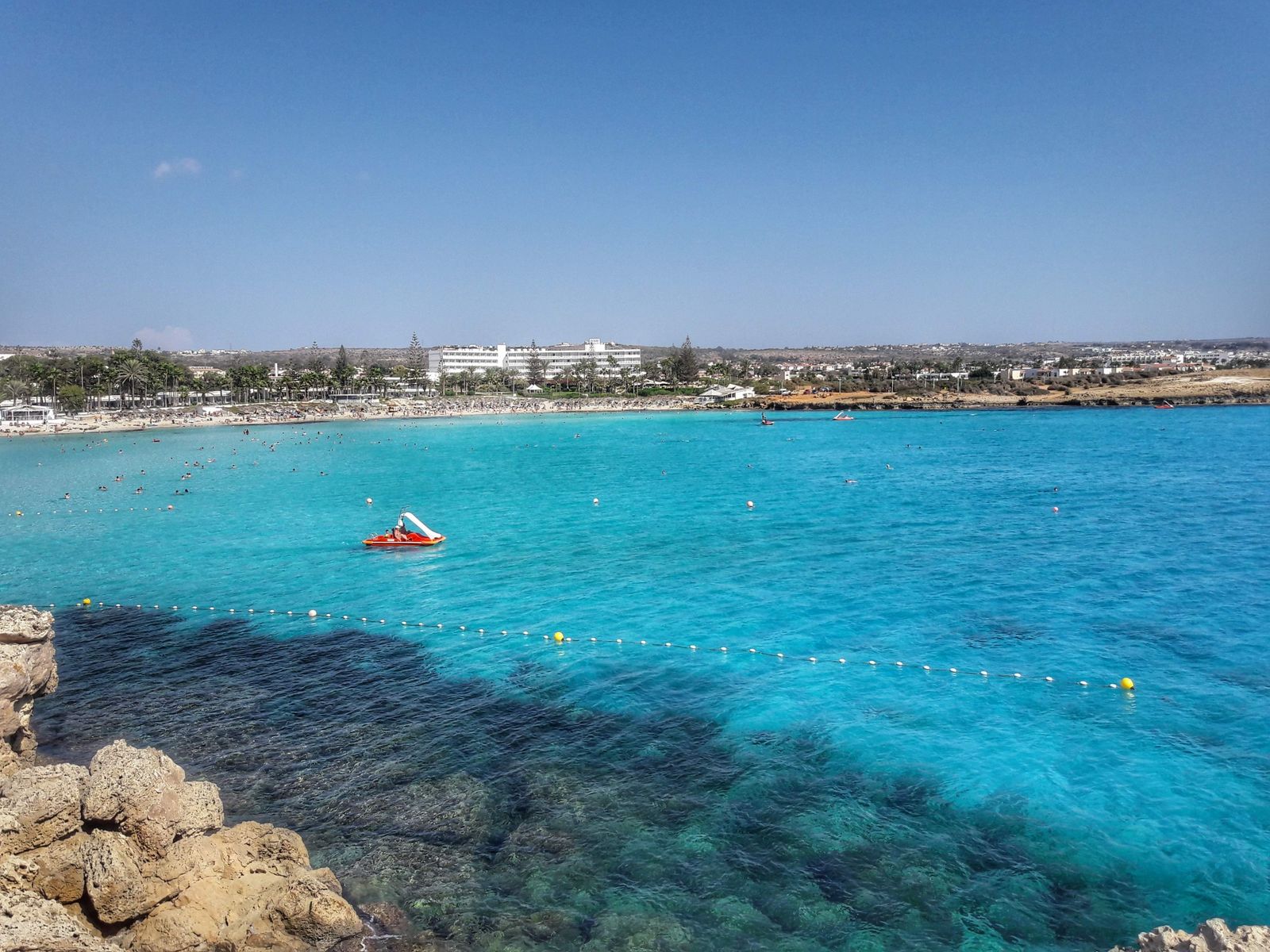
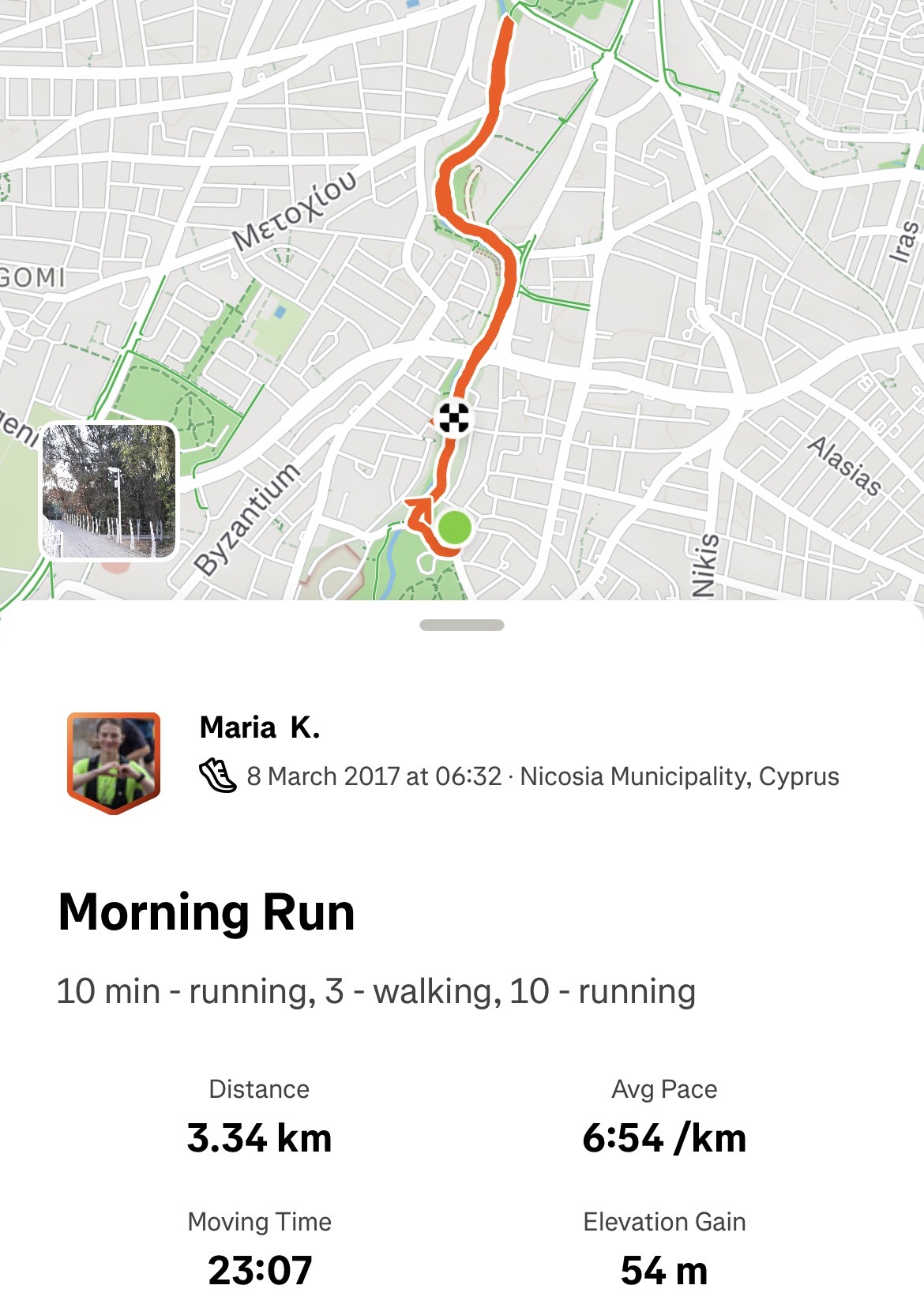
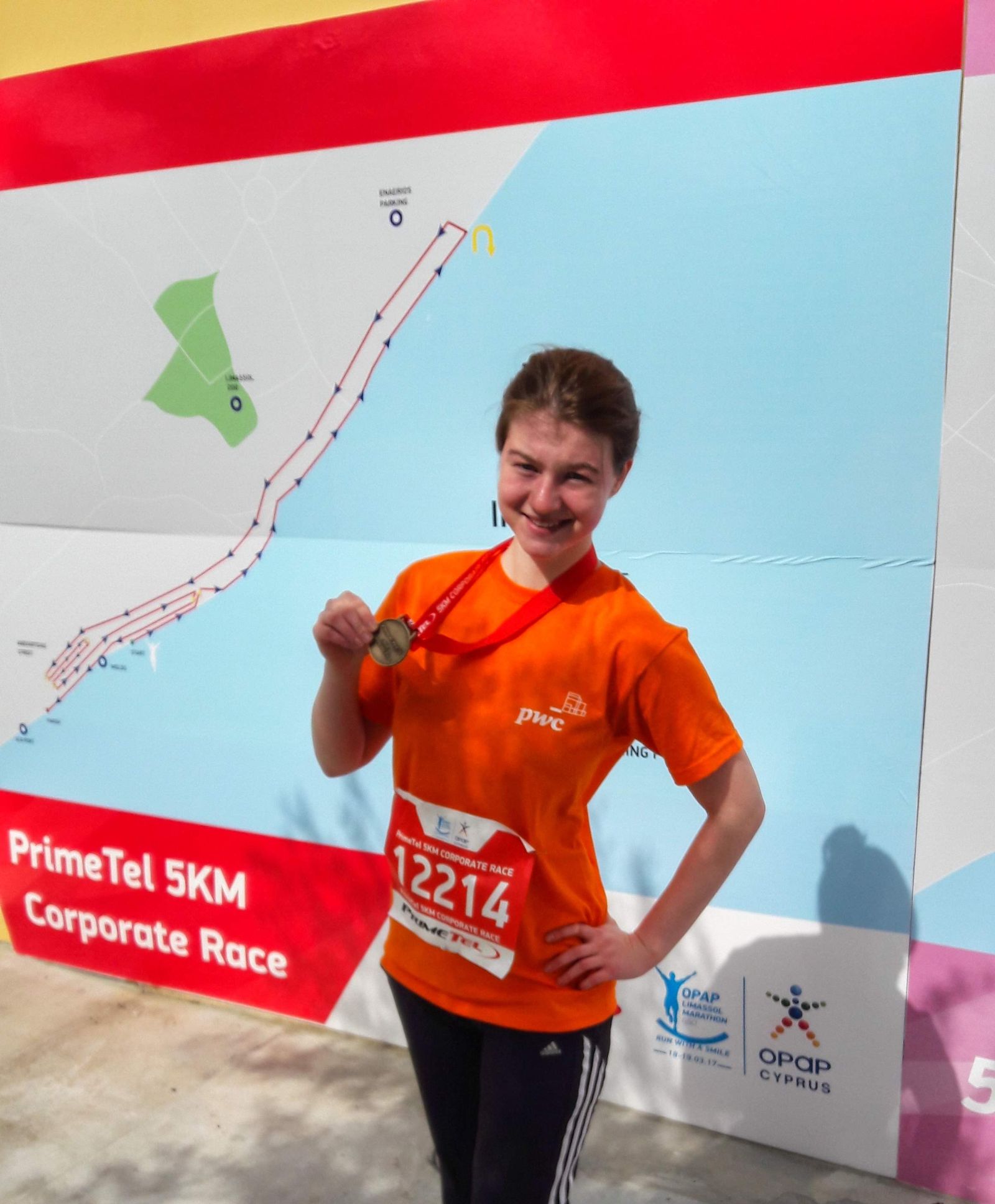
At first, “consistent” still meant very little: a mix of running and walking, usually 2 or 3 km at most. But it was enough to begin. In early 2017, I did my first official 5 km race in Limassol. I was incredibly red by the end of it, but also unbelievably happy. It felt like such a small thing and such a huge thing at the same time. For the first time, I was not just someone who occasionally ran. I was someone who had signed up, shown up, and finished.
That changed everything. Later that year, I registered for a half marathon in Larnaca and finished it. Then I trained for a full marathon and completed it in early 2018 in Paphos. I will write about that separately one day, because it deserves its own story. What I remember most clearly now is not only the race itself, but the training process. I loved the structure, the purpose, the feeling that I was building something week after week.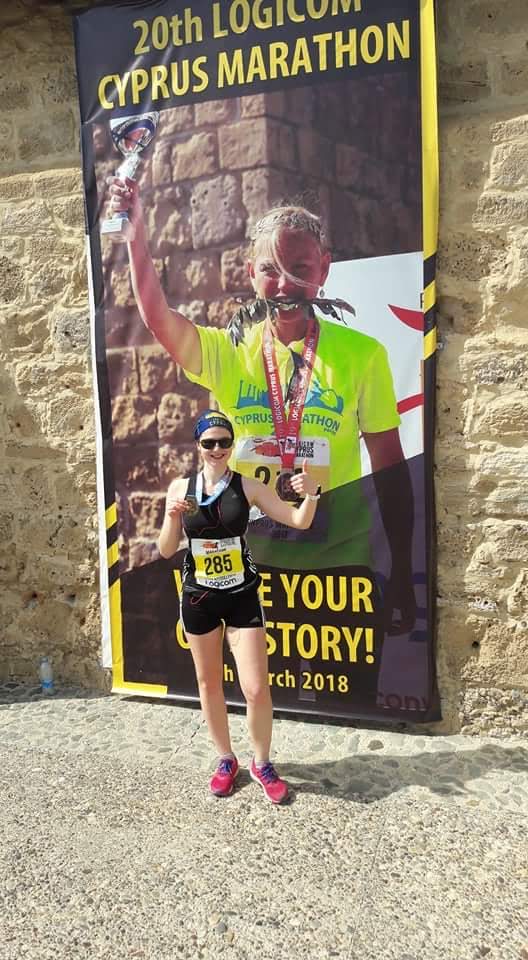
Looking back, Cyprus was also where sport and movement started to connect in a bigger way. Travel no longer meant only seeing new places; it also became tied to races, routes, long runs in unfamiliar cities, and the feeling of discovering a place through your body rather than only through a camera roll. I did not fully realise it then, but that was already the beginning of the life I have now.
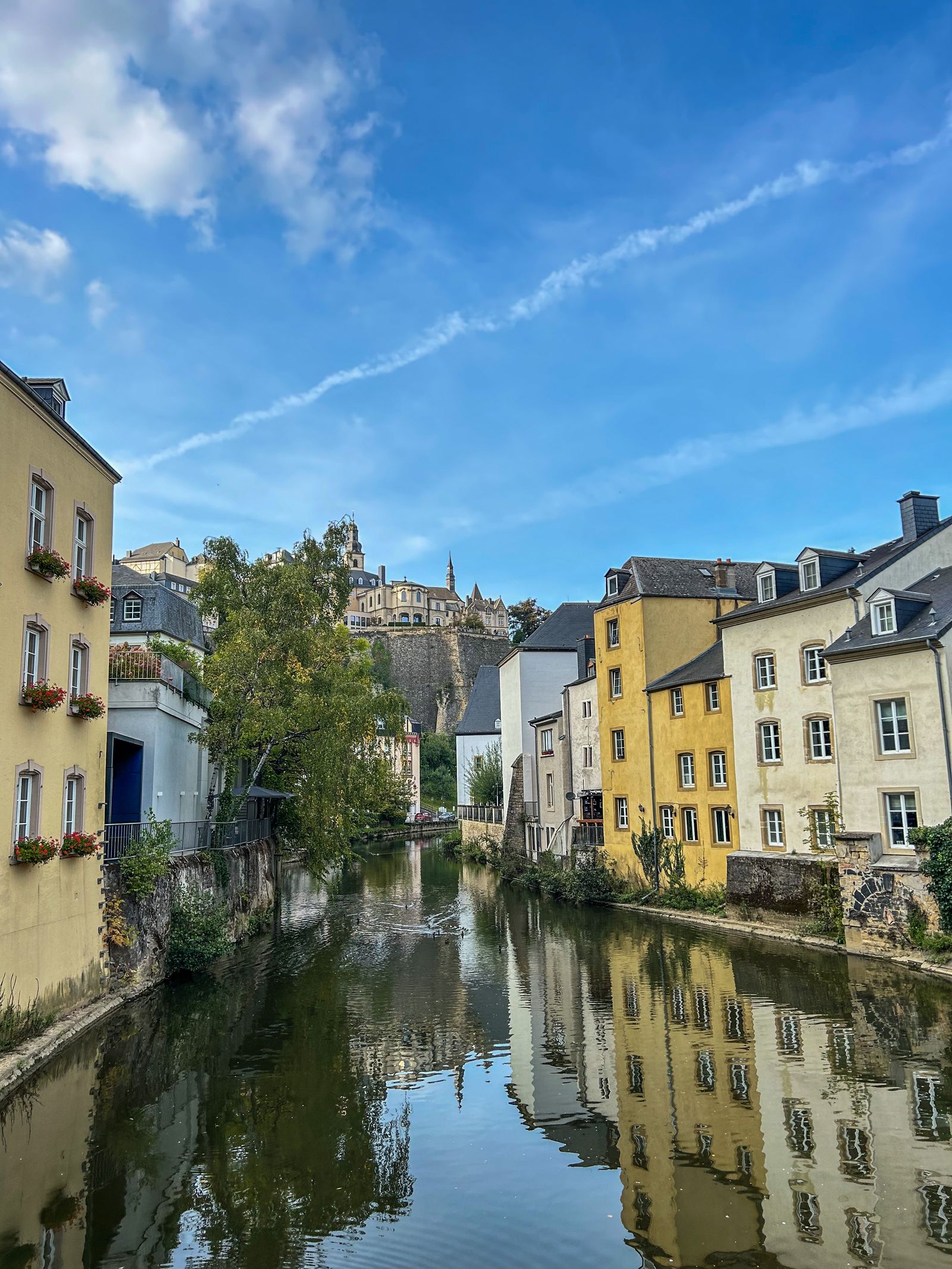
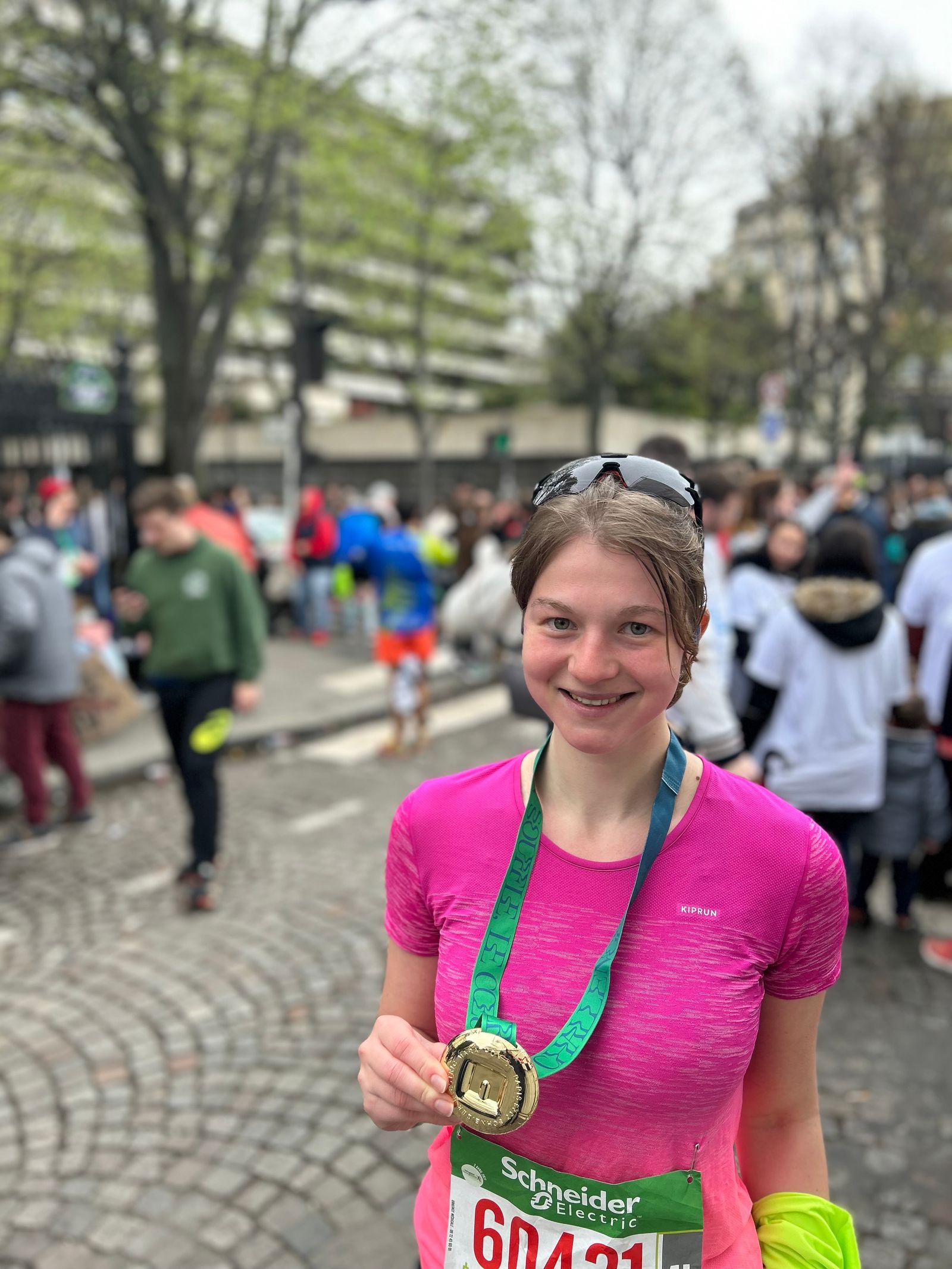
Then, again, there was a pause. I moved to Luxembourg and had to restart almost from scratch. For a while, running became casual again. Then came Paris Marathon in 2023, which I have already written about here. After that, marathons became something I did once or twice a year, while half marathons started to feel almost ordinary — the kind of distance that appears every few weeks in training.
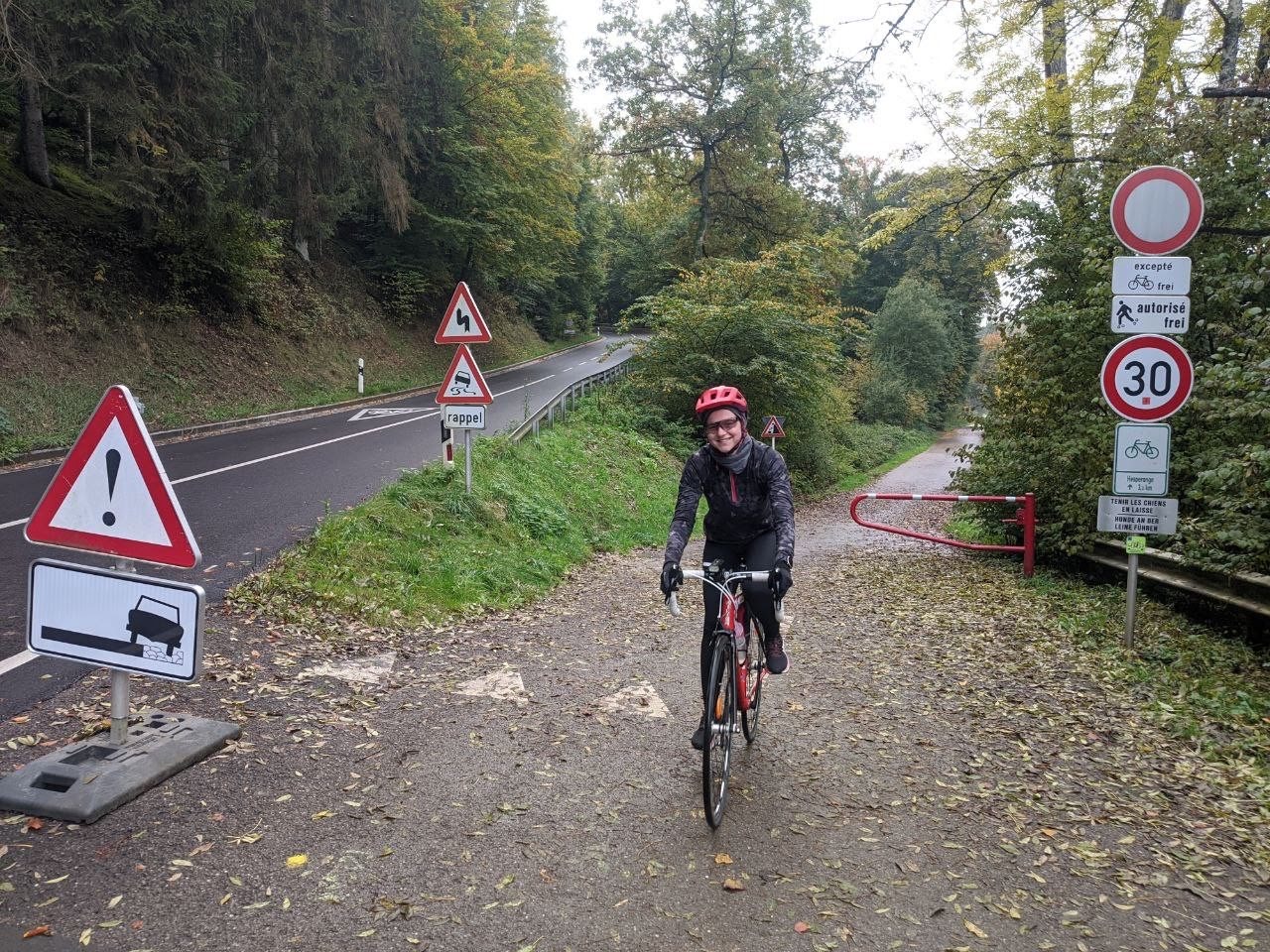
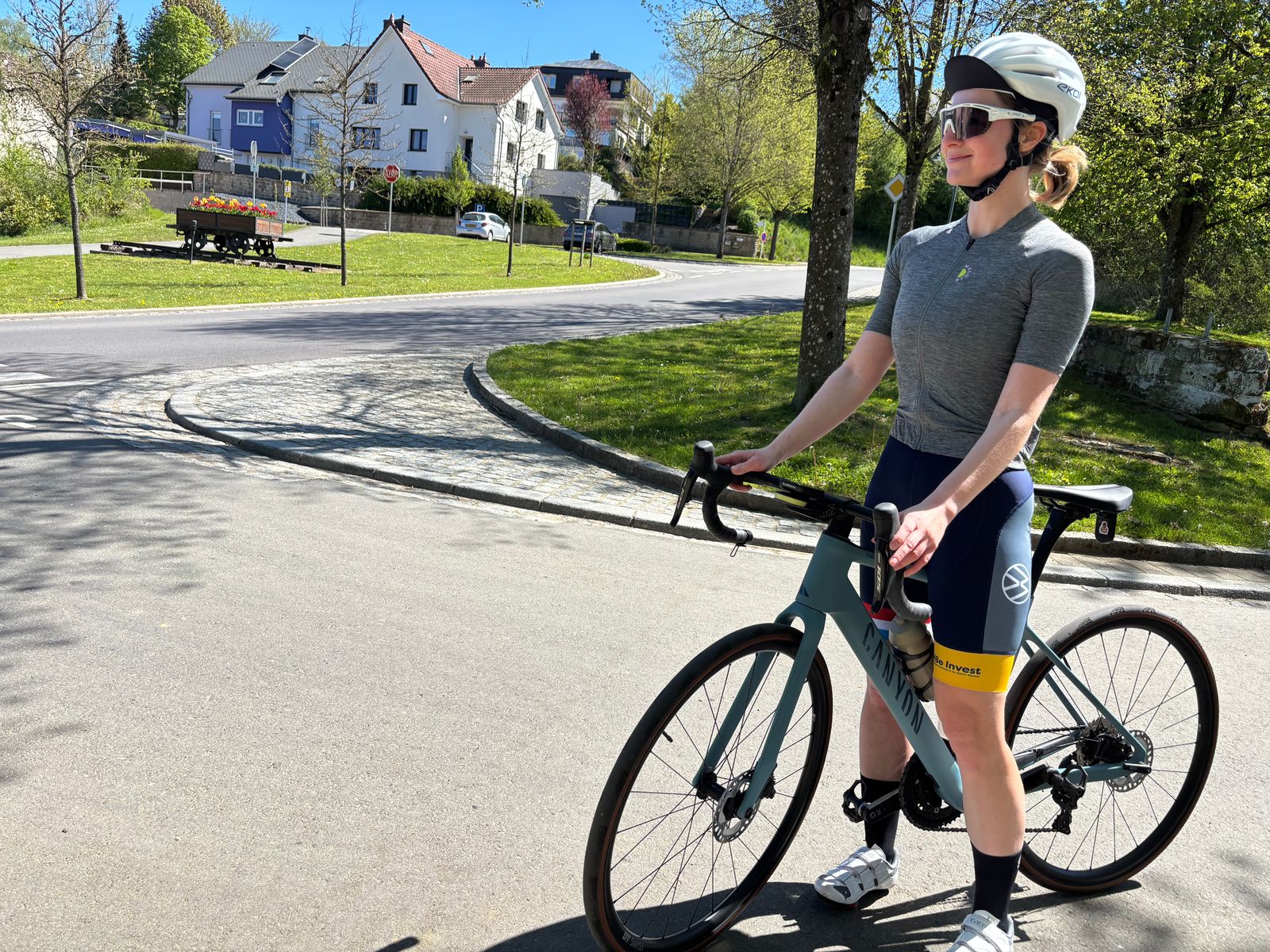
Around the same time, another piece of the puzzle appeared: cycling. My boyfriend got into it first, and I started riding more casually with him. At some point, the old idea that had once felt distant and absurd started to feel different. I was already running consistently. I was cycling. I had access to a pool. And the thought slowly shifted from “one day, maybe” to “why not now?”
That was the moment I decided I was ready for an Ironman 70.3. It sounded huge, difficult, and slightly unreasonable — but no longer impossible. I also realised that, somehow, I already had most of what I needed. Apart from a trisuit and a wetsuit, the basics were there. So I registered for Ironman 70.3 Remich for July 2026 and gave myself around 8 to 9 months to prepare.
I started with a base phase: cycling twice a week while still focusing heavily on running. I bought my wetsuit and trisuit on Black Friday with huge discounts, which felt strangely satisfying, because triathlon still had that expensive, untouchable aura in my head. I signed up for swimming classes and attended them for a few months. For someone who had always only “swum for fun,” that mattered a lot. It made swimming feel like a discipline rather than just splashing around and surviving.
Then spring made everything feel real. I ran Paris Marathon again in April 2026. I went on a cycling trip to Mallorca and did my first open-water swim in a wetsuit there. II also registered for two cycling events — Rund um Köln and Schleck Medio Fondo Luxembourg. I was frightened before both, but they turned out to be amazing experiences. Little by little, I started to feel like I was not pretending anymore. I was actually becoming a triathlete.
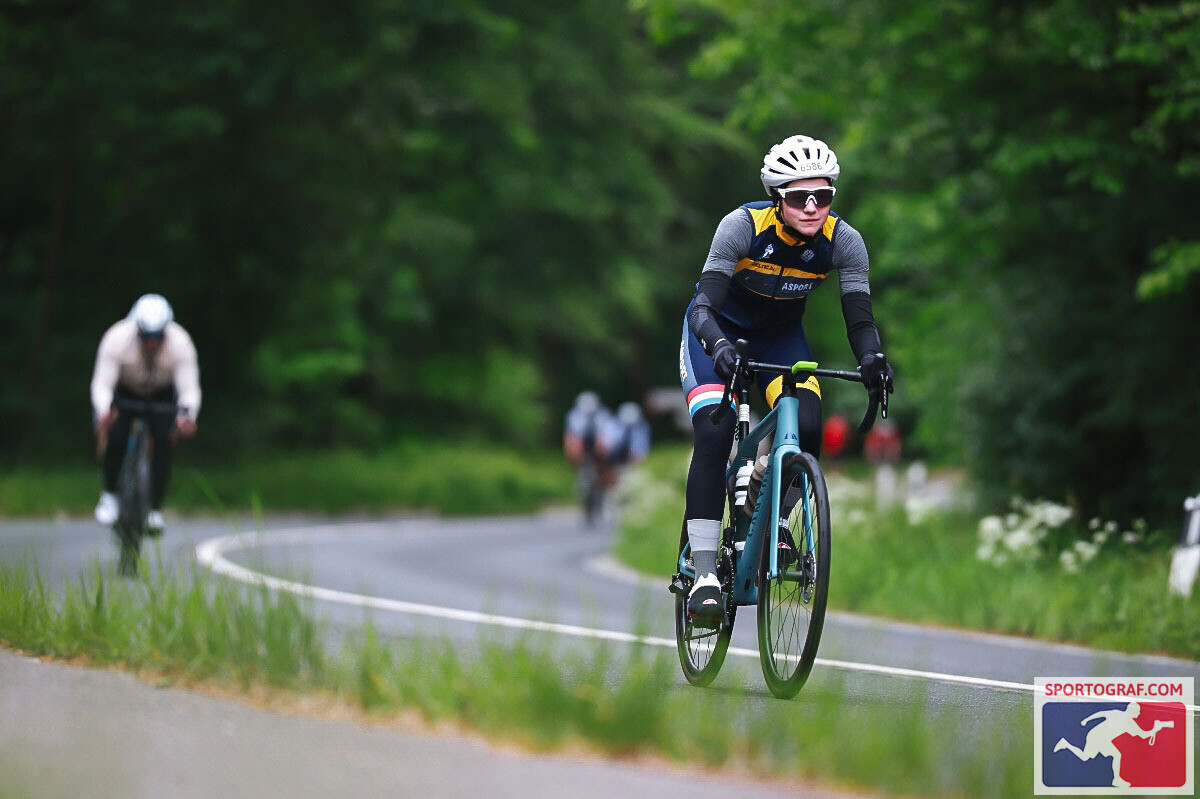
And this is probably the part I love most: triathlon has changed the way I travel too. Now I notice roads differently. I look at lakes and wonder what swimming there would feel like. I remember places not only for views or restaurants, but for climbs, routes, race mornings, and the strange joy of carrying your whole day on a bike or in a pair of running shoes. Travel and sport no longer compete with each other in my life — they sharpen each other.
Of course, that did not mean I suddenly felt fully ready. I did a couple of brick sessions, then raced my first Olympic triathlon in Rotterdam one month before Ironman 70.3. After that came a taper, a trip to Sardinia, and a lot of anxiety about the heat in Luxembourg, especially when temperatures climbed to around 40 degrees just days before the race. Race day itself was about 35 degrees, which was intimidating, but it all went well in the end.
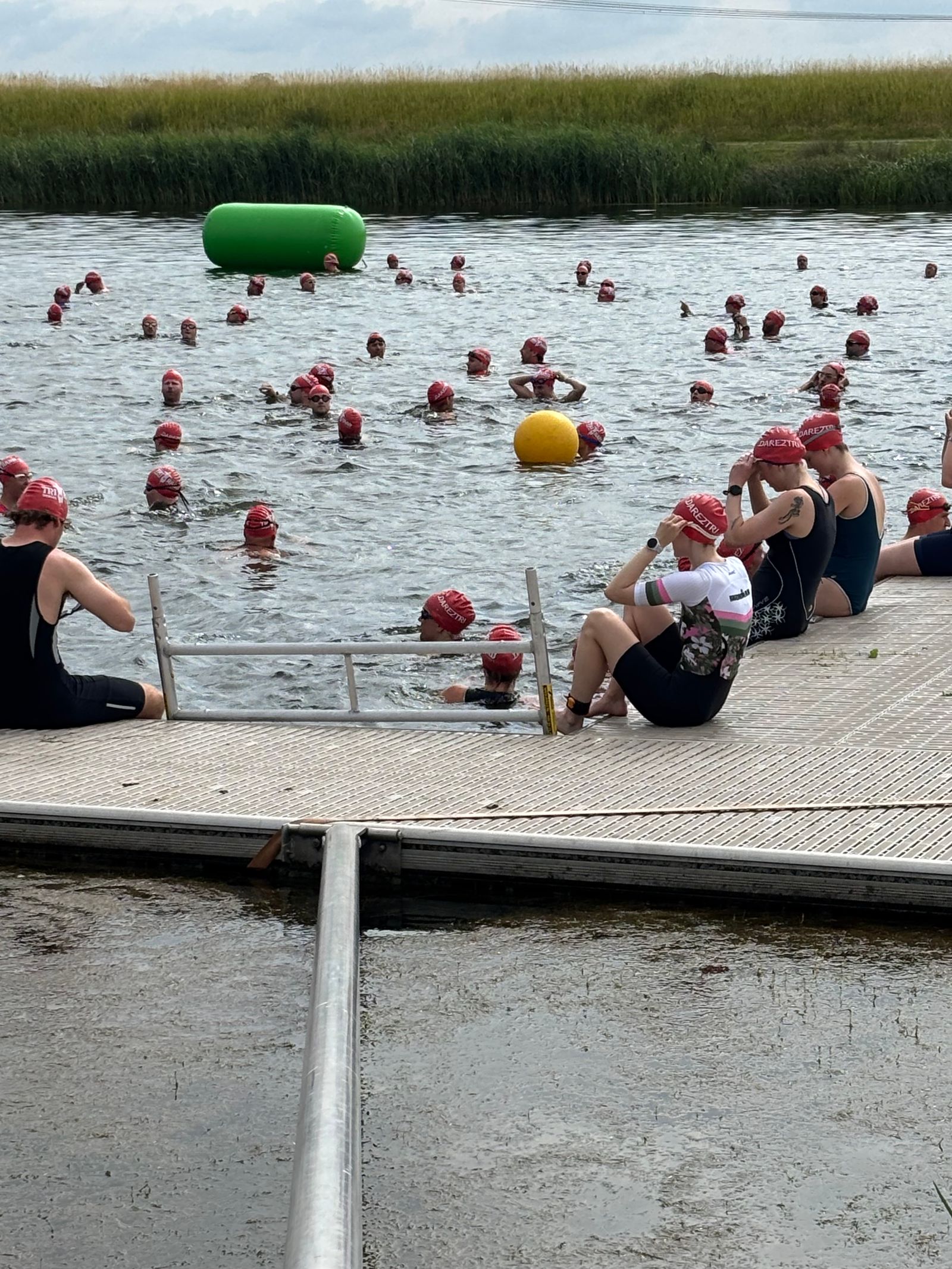
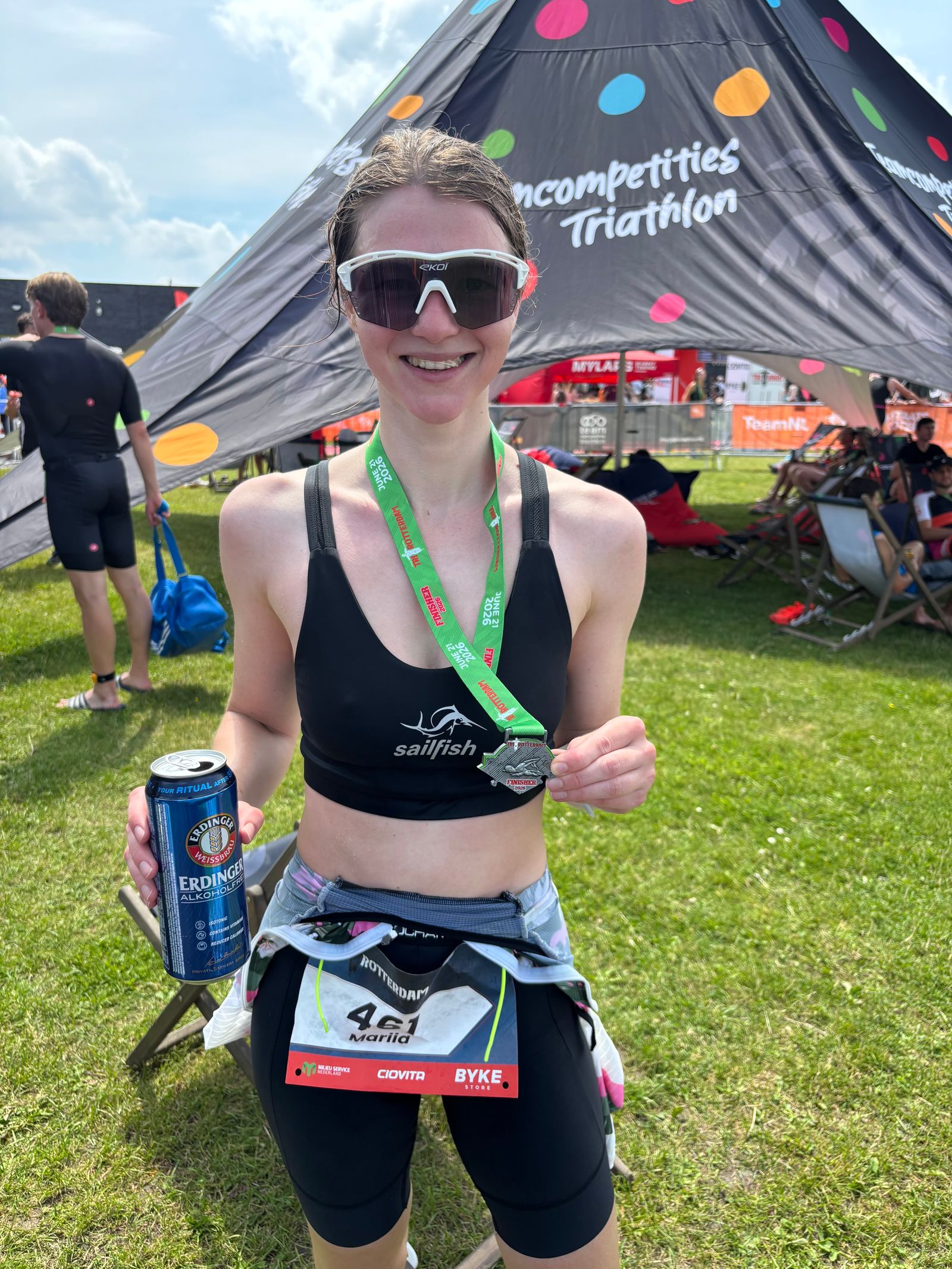
What surprised me most was not only that I could do it, but how much I enjoyed the whole way there. Not just the finish lines, not just the races people see, but the process itself: the training blocks, the early doubts, the gear decisions, the first proper swim sessions, the fear before cycling events, and the small breakthroughs that only make sense when you know how far away they once seemed.
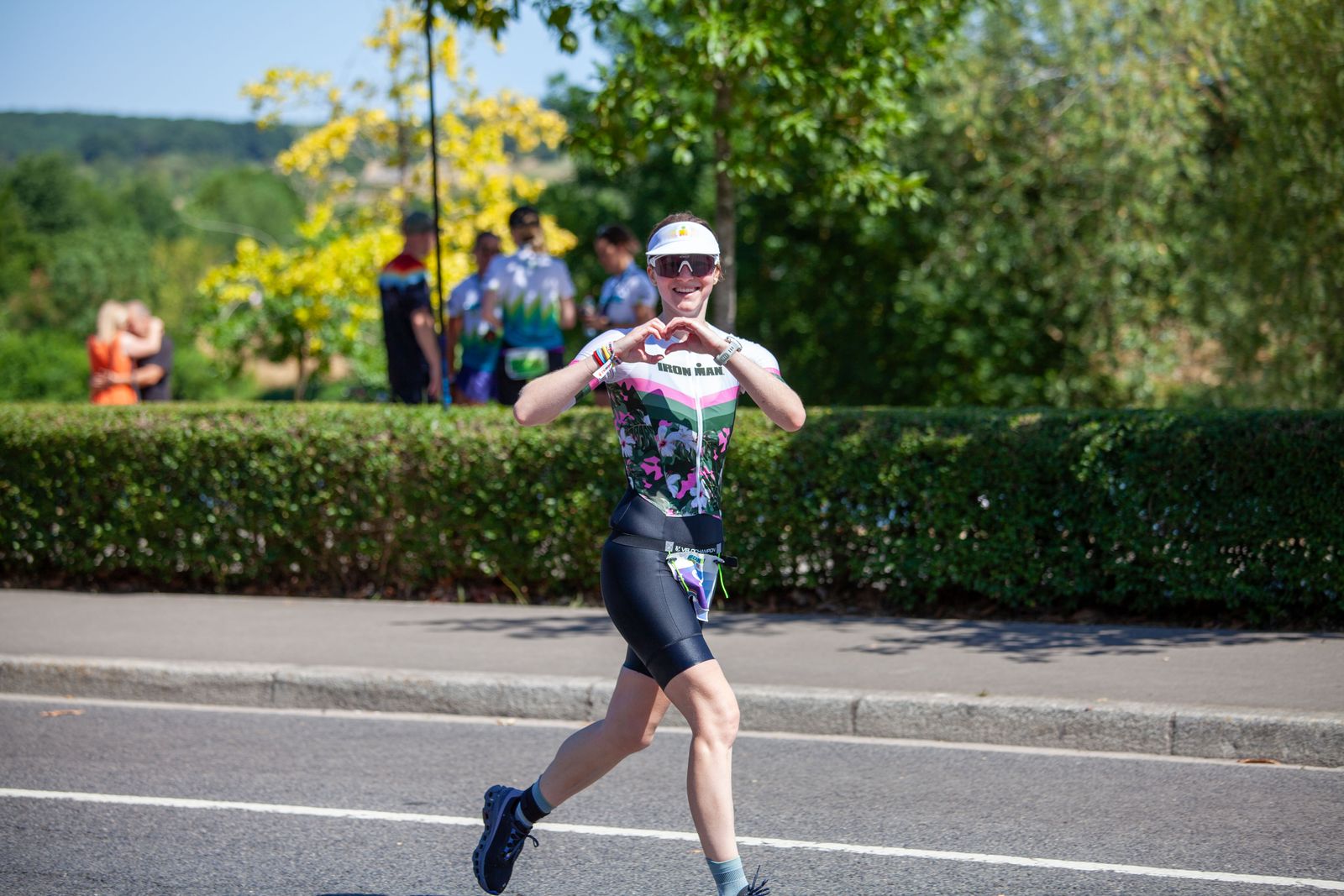
For a long time, triathlon was something I associated with other people — people born into sport, people with more money, more confidence, more experience, more everything. But my way into triathlon was much less glamorous and much more human. It started with curiosity, long gaps, bad shoes, false starts, and the quiet decision to keep coming back.
And maybe that is exactly why it means so much to me now.
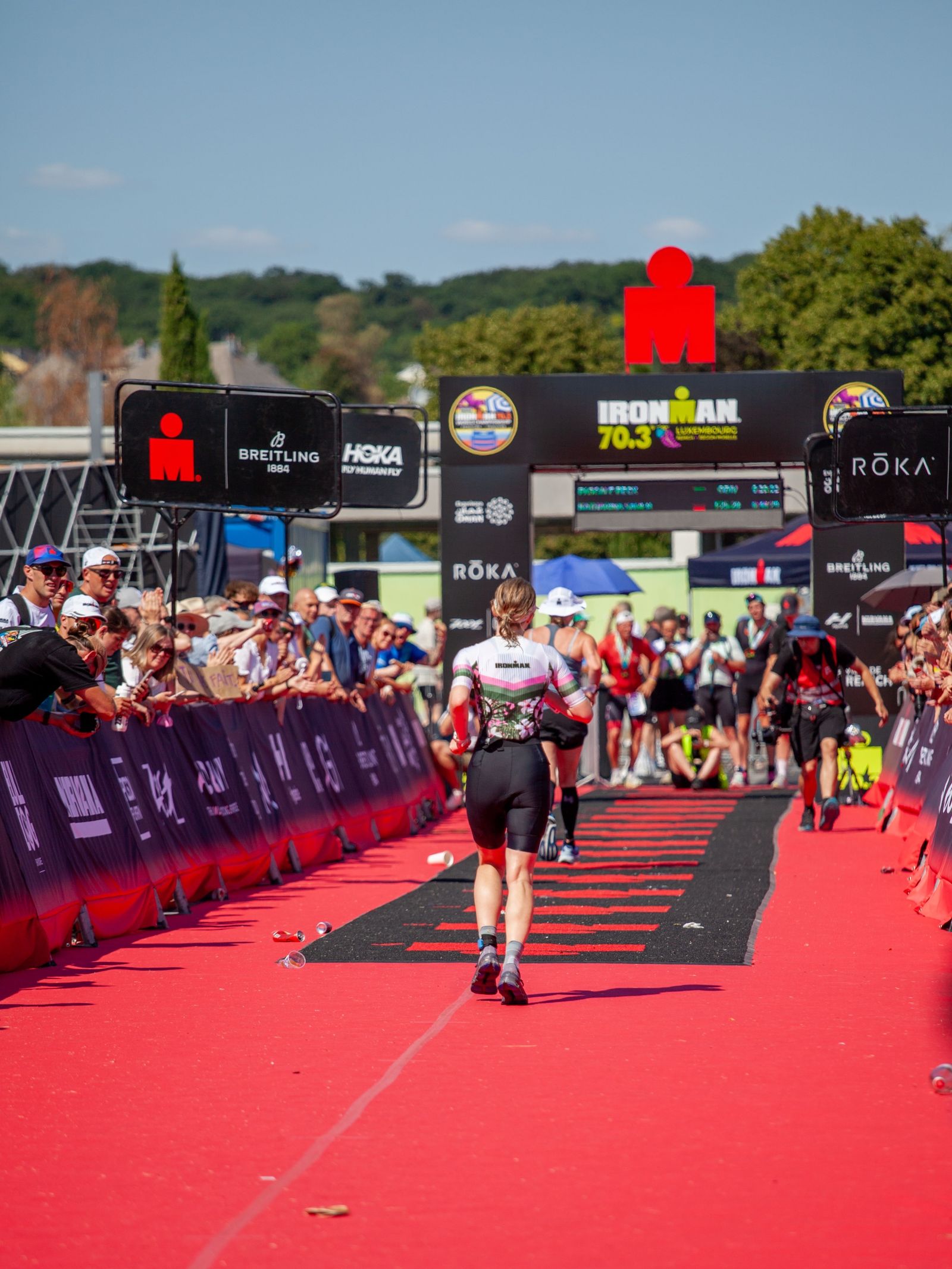
From a Siberian village where I had never met anyone doing this sport, to Cyprus where I learned to love running, to Luxembourg where the triathlon idea finally became real, this path was anything but straight. But maybe that is exactly why it feels like mine.
I know now that triathlon is not only for people who “look like triathletes,” or for those who have done sport since childhood. Sometimes it is also for people who discover it late, build it slowly, and arrive there through a hundred imperfect steps.
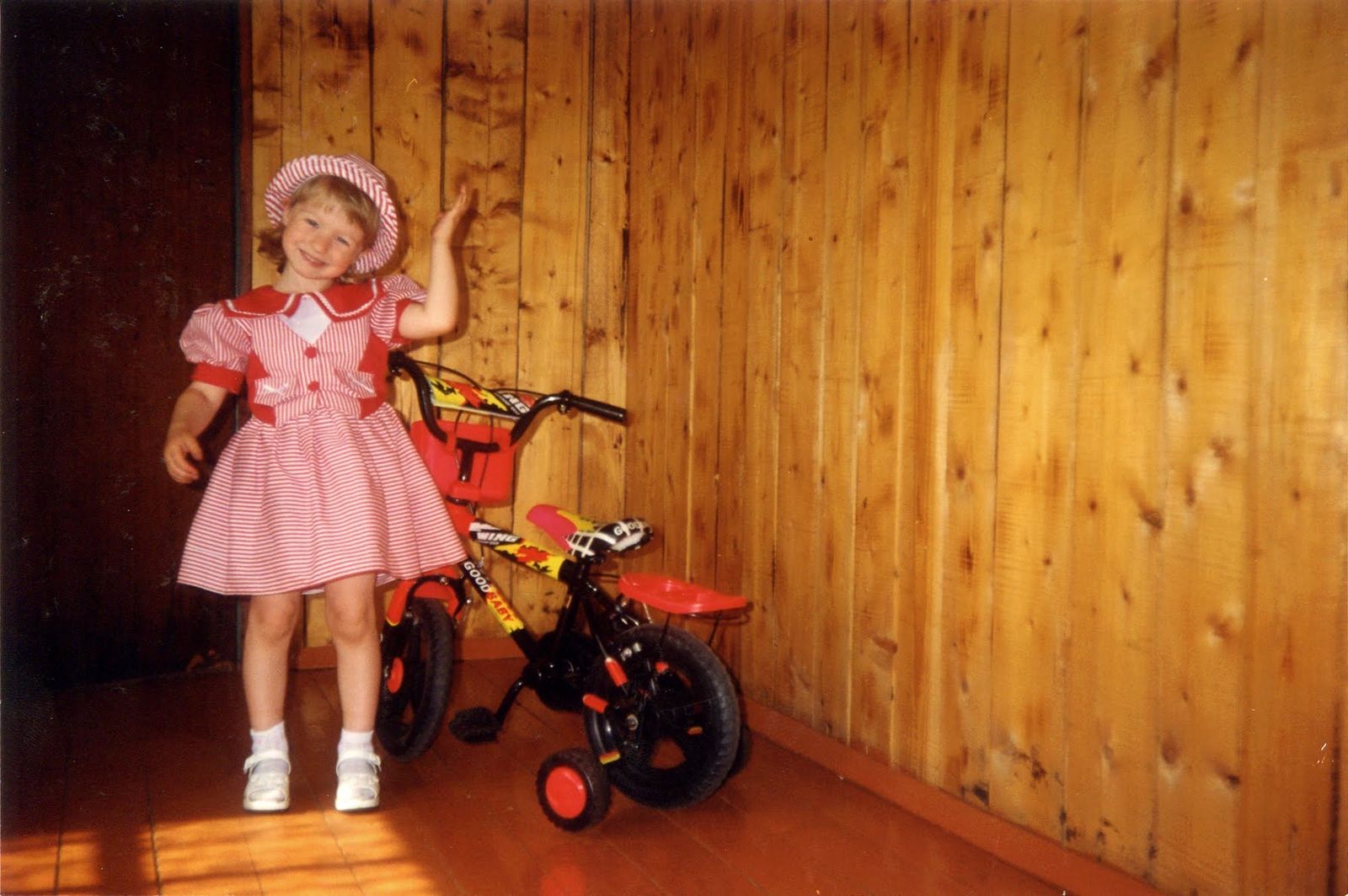
I have already registered for another half-distance race — Open Lakes Belgium in September — and I am genuinely excited to keep going. Not because I suddenly became fearless, but because I have learned that fear and excitement can coexist quite well.
If there is one thing this journey has taught me, it is that you do not need a perfect background to begin. Sometimes all you need is enough curiosity to start, enough patience to continue, and enough stubbornness to see what happens next.