A Slow Family Vacation in Montenegro: Petrovac, the Bay of Kotor, and the Last Visa-Free Season
Some trips are about ticking off as many places as possible, maximising the impressions and experiences. This one wasn’t. This summer I went to Montenegro with my parents and my brother, and instead of building a packed multi-stop itinerary, we did something I don’t do often: we picked one base, stayed put, and let the days move slowly.
Swimming twice a day, home-made lunches and dinners sometimes, easy hikes in amazing locations nearby — it turned out to be exactly the kind of trip a family needed, and honestly, exactly the kind of trip I needed too, after a stretch of the usual pack-in-everything travel I tend to gravitate toward.
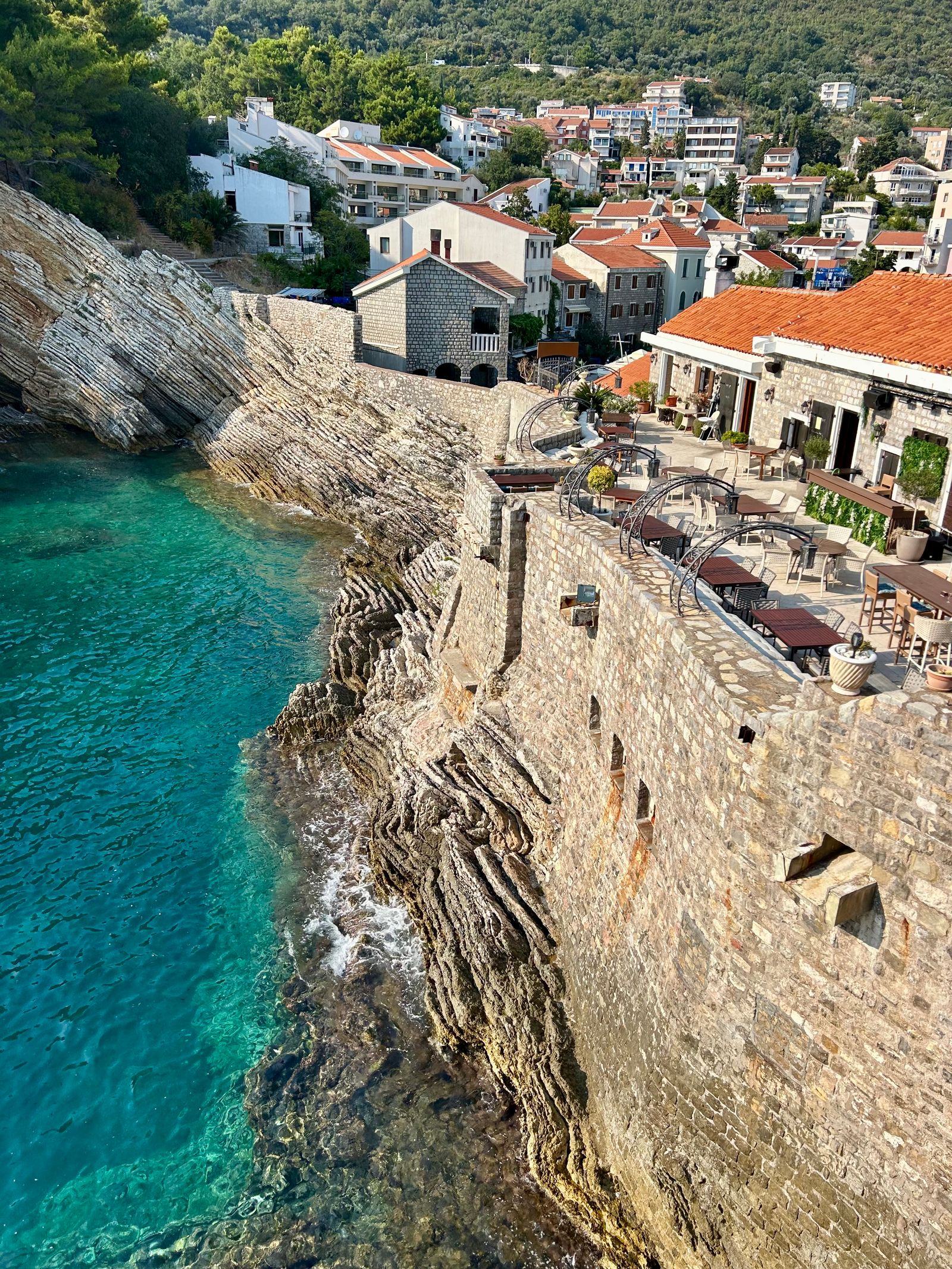
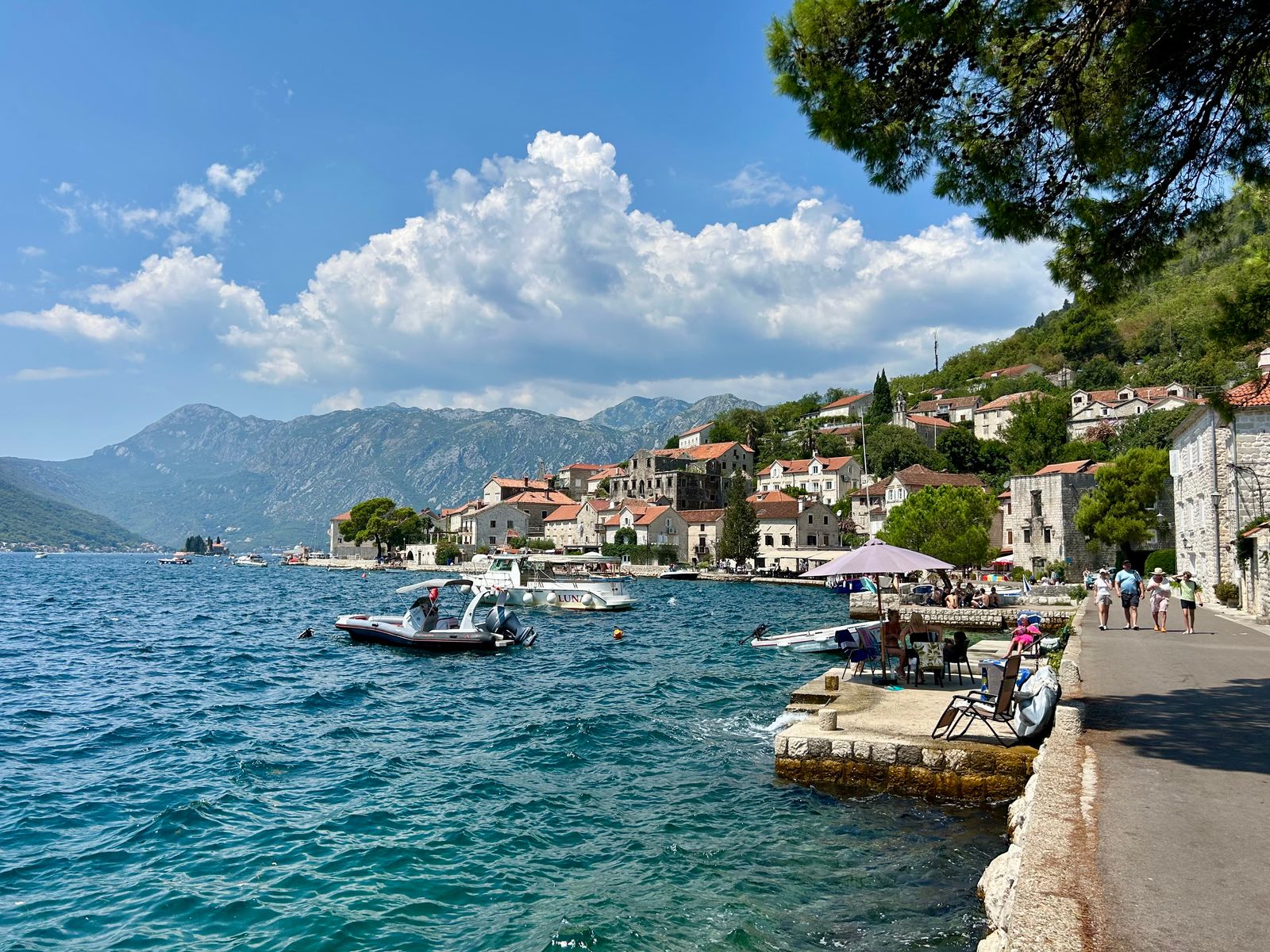
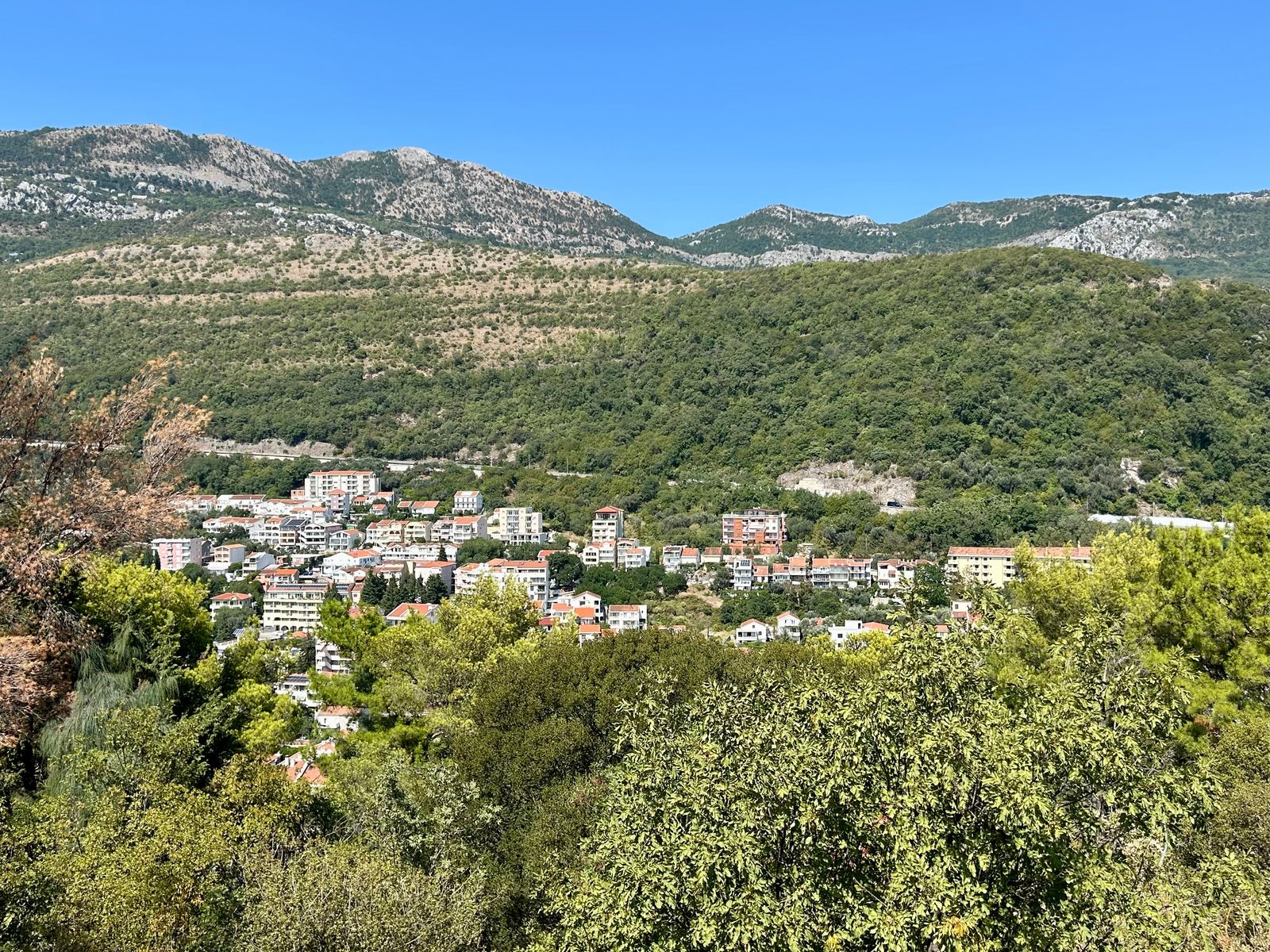
There was also a strange bit of timing to it. My family travels on a passport that’s about to lose visa-free access to Montenegro — the country ends its long-standing visa-free arrangement for certain nationalities on 1 November this year, part of its push to align with EU rules ahead of its accession target. That’s actually why we decided to catch this ‘last train’: we booked our tickets before a visa requirement made trips like this one a lot harder to plan. Going a bit ahead, we never regretted going to this country — just look at this photo with amazing, typical Montenegrin views!
Getting there and getting around
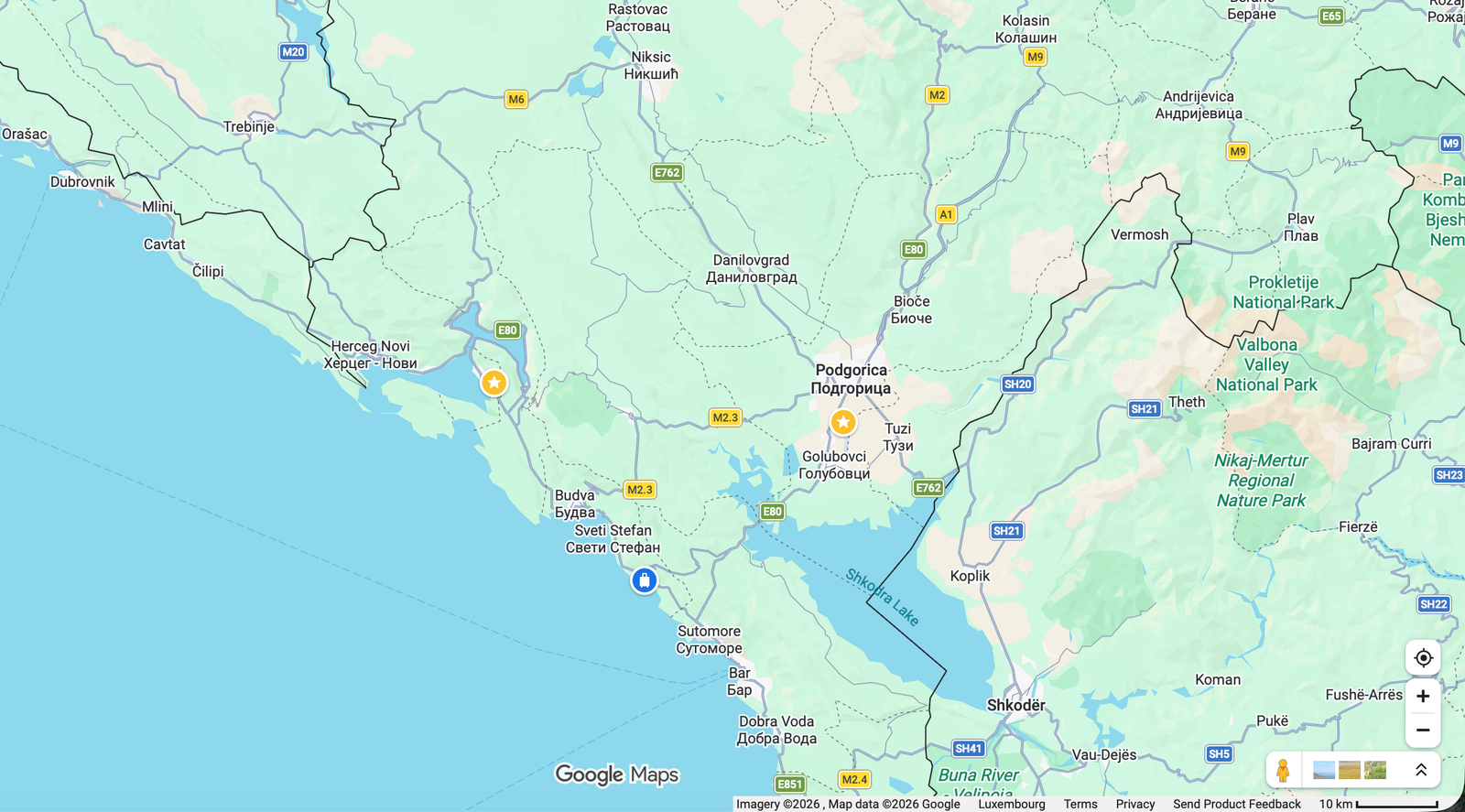
We flew into Podgorica rather than the more commonly recommended Tivat — it worked out cheaper both from Luxembourg and for the rest of the family flying in separately, and it’s a good reminder that the ‘default’ airport isn’t always the cheapest or most convenient one. For all of us it was at least 30–40% less expensive than flying to Tivat, and the drive to Petrovac takes roughly the same amount of time either way — around 45 minutes from Tivat versus 50–60 minutes from Podgorica. Of course, if you’re staying in Tivat, Kotor, or even Budva, Tivat airport will likely be faster; but if you’re staying east of Budva, Podgorica is worth comparing different flight options at Aviasales before you default to the obvious choice.
The rental car went through Booking.com. It wasn’t cheap — Montenegro’s peak-summer prices climb in August well above shoulder-season rates, especially for a car big enough for four adults and luggage — but it still came out cheaper than the other options we compared (around EUR 600 for renting a Skoda Kamiq for 11 days plus EUR 100 for the second driver; we didn’t take any insurance or any other services from the car supplier).
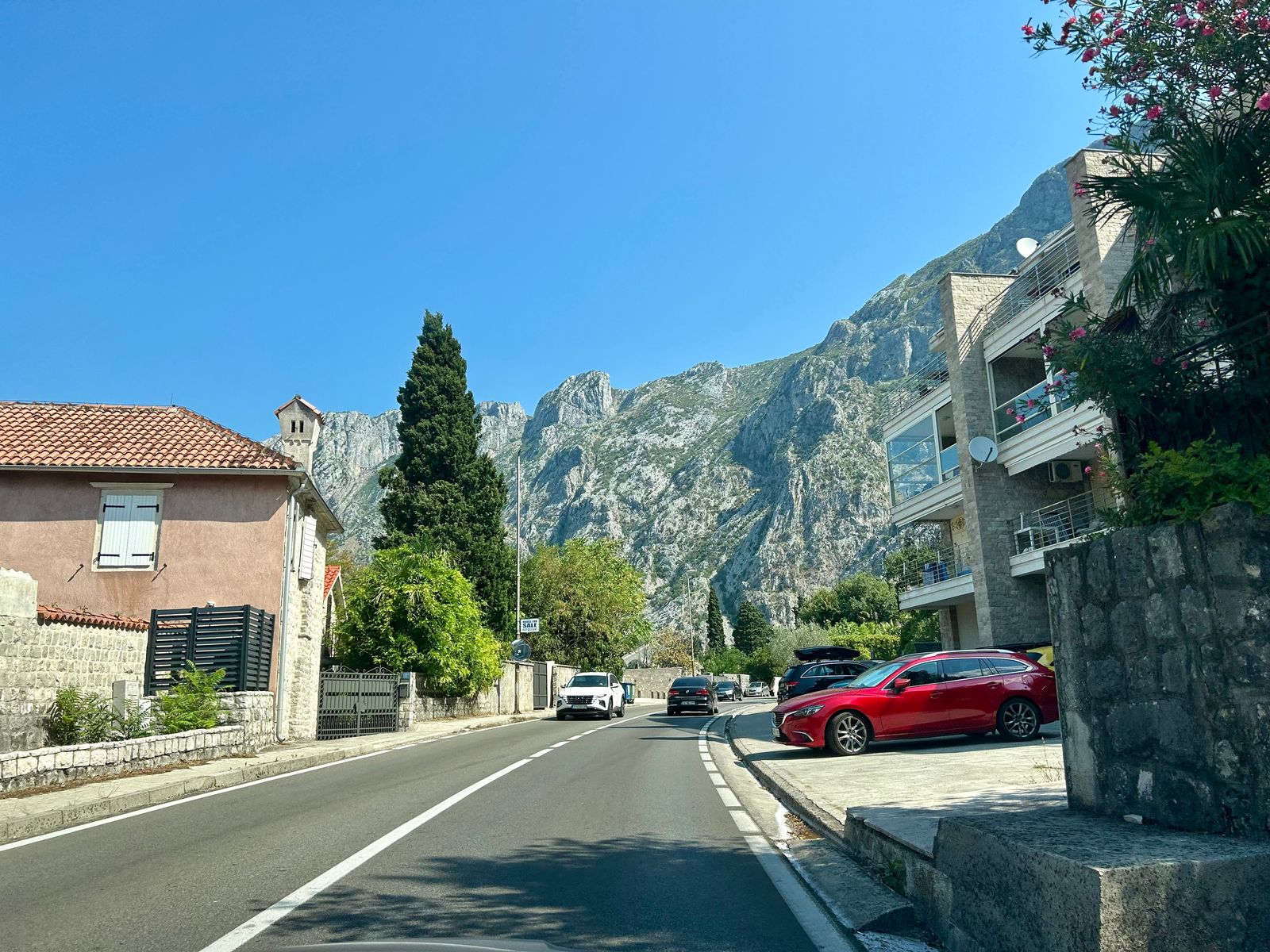
I couldn’t find a proper picture of a car we rented, so sharing a random photo taken from a passenger seat — the beautiful road view is supposed to inspire you to rent a car as well.
Choosing The Base: Petrovac
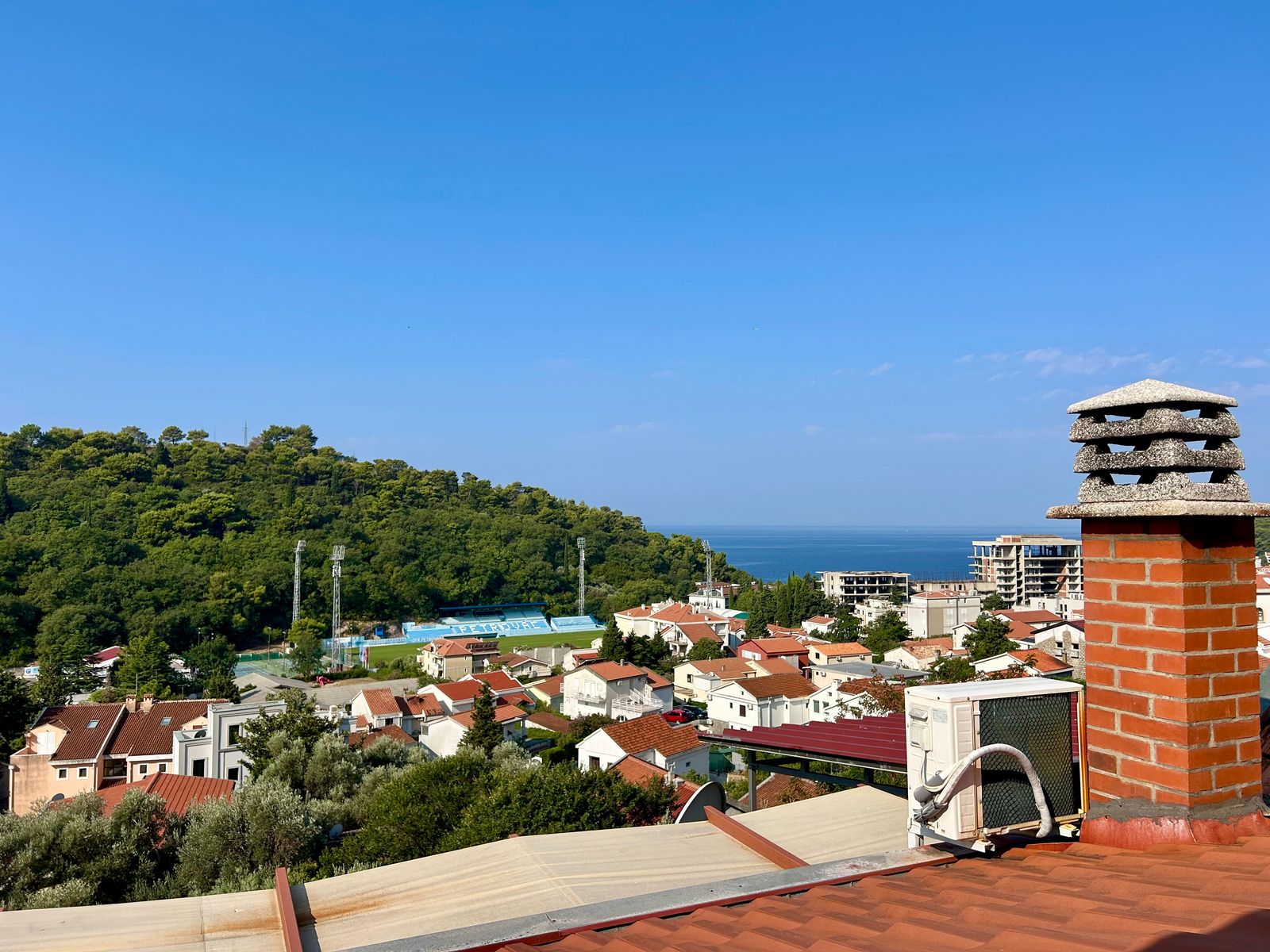
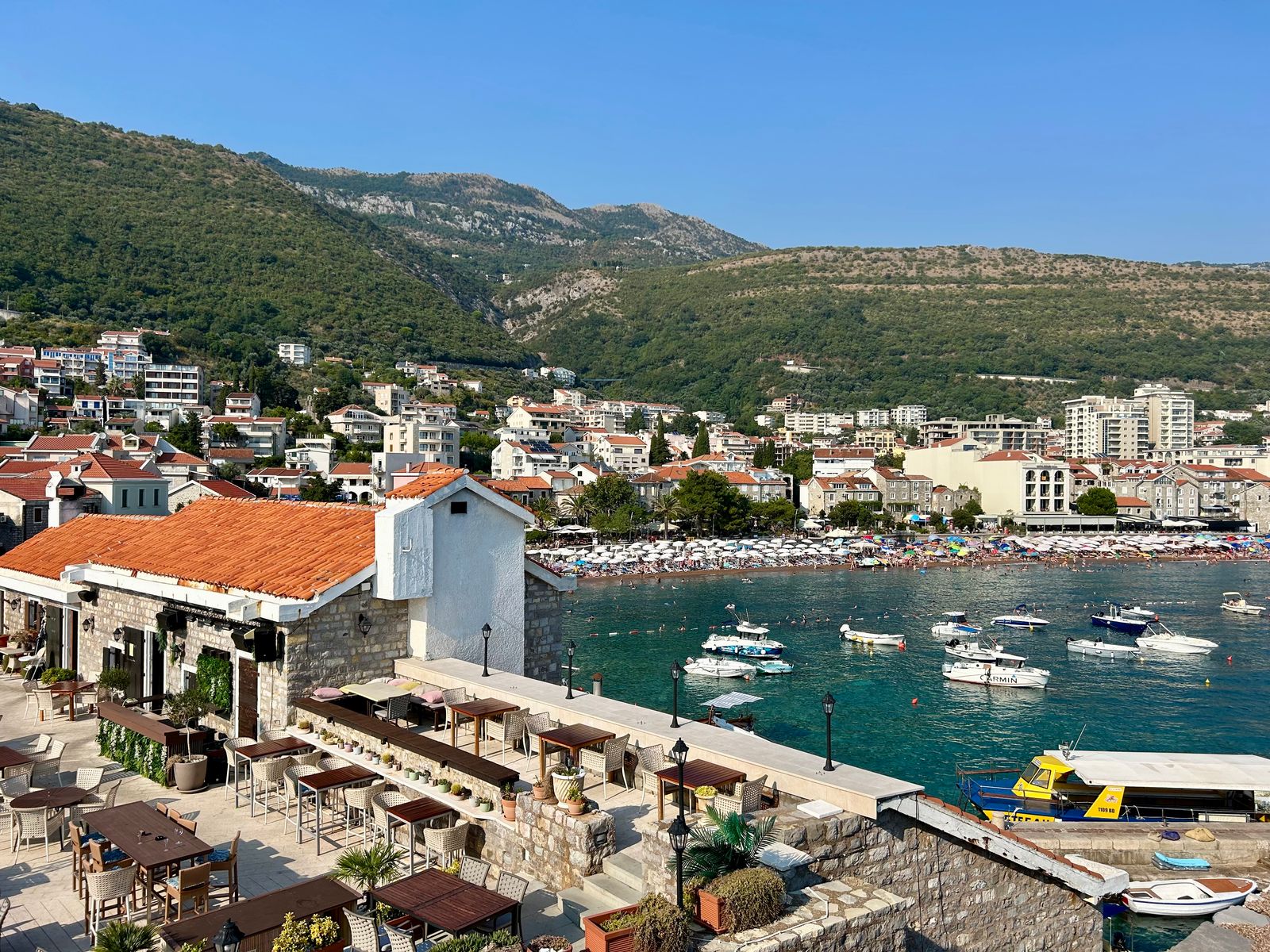
Instead of hopping between towns, we based ourselves in Petrovac for the entire trip. We booked an amazing small duplex through Booking.com, and it turned out to be a great choice! We paid around EUR 1300 for 11 nights, and the property was big enough for 4 people. The balcony with an amazing view was incredible, and it has a perfect location - just 8 min walk to a super beautiful beach Lučice and 10 min walk to the promenade with all the cafes and restaurants.
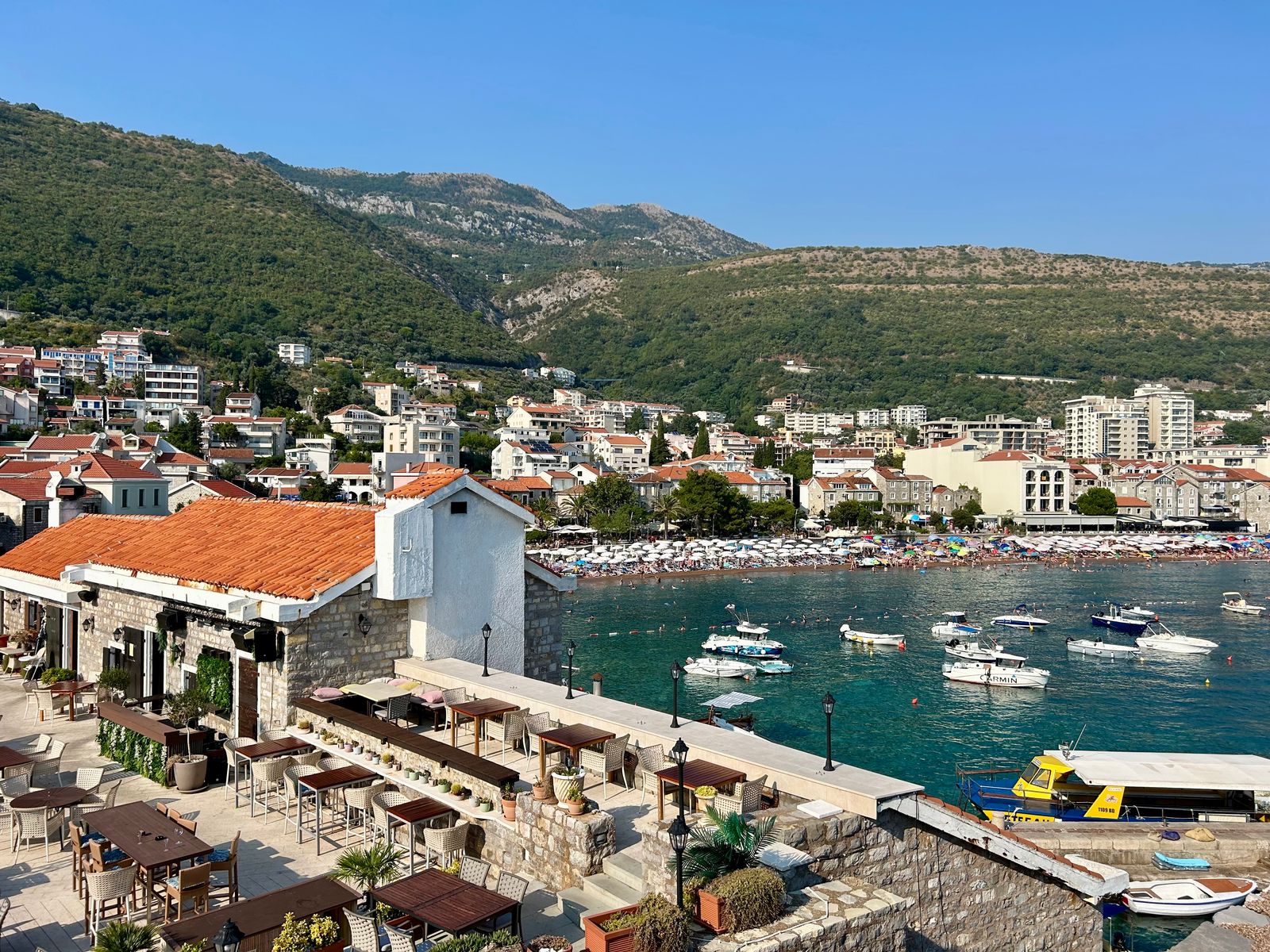
Petrovac is smaller and quieter than Budva or Kotor, but it gave us everything a family trip like this needed: two beaches to choose from (the main one in Petrovac and also Lučice), an easy walkable old town, and enough hiking trails nearby that we didn’t need the car every day.
Petrovac also turned out to be a smart hub logistically — close enough for easy day trips, far enough to keep the evenings quiet: around 12-15 min drive to Sveti Stefan, 20-30 min to Budva, Kotor in a bit less than 1 hour, Perast in a bit more than 1 hour — a good location to explore the Montenegrin coast. As everything is quite close, most days we were back in time for a swim before dinner.
Days at Home Base
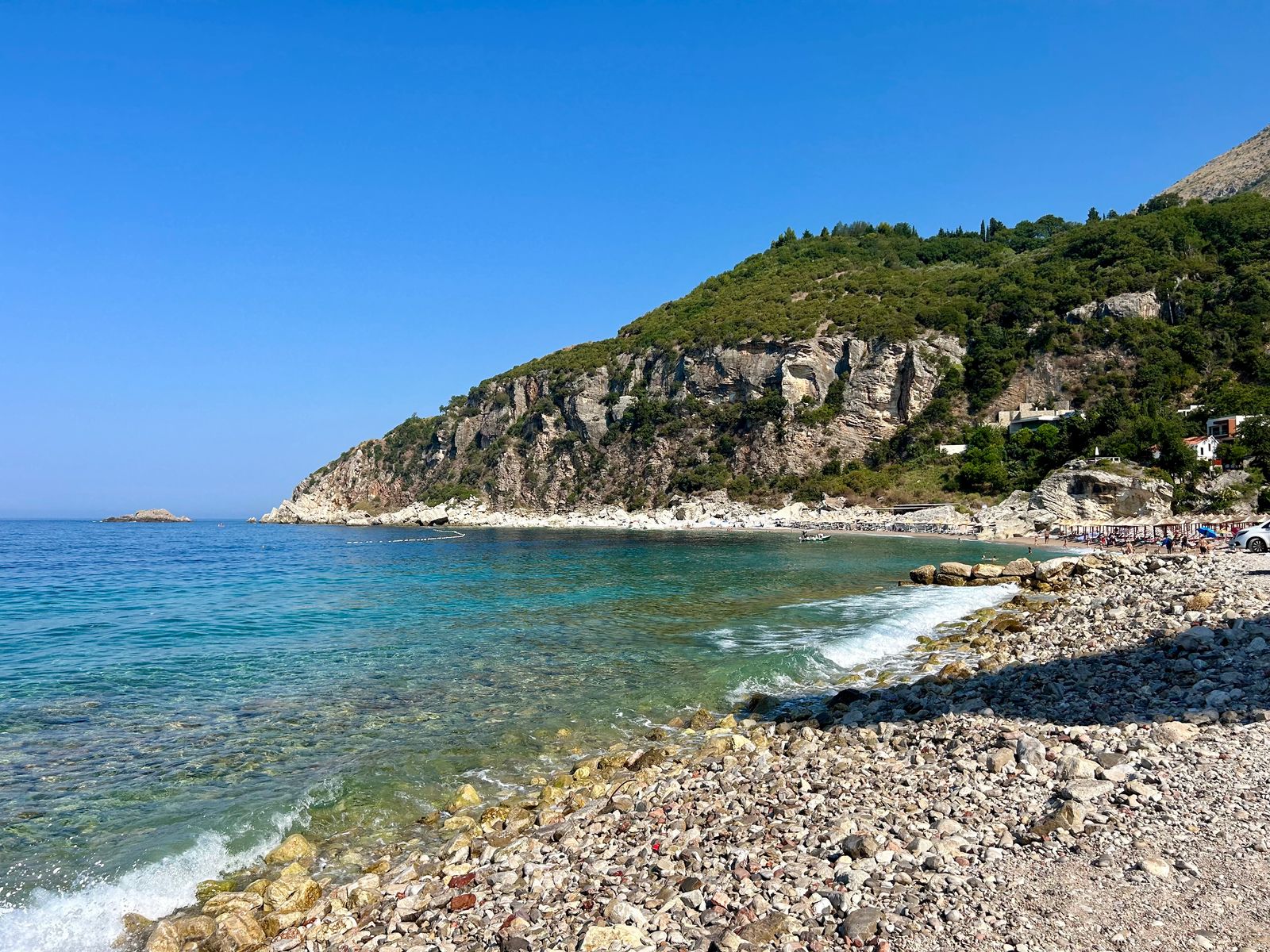
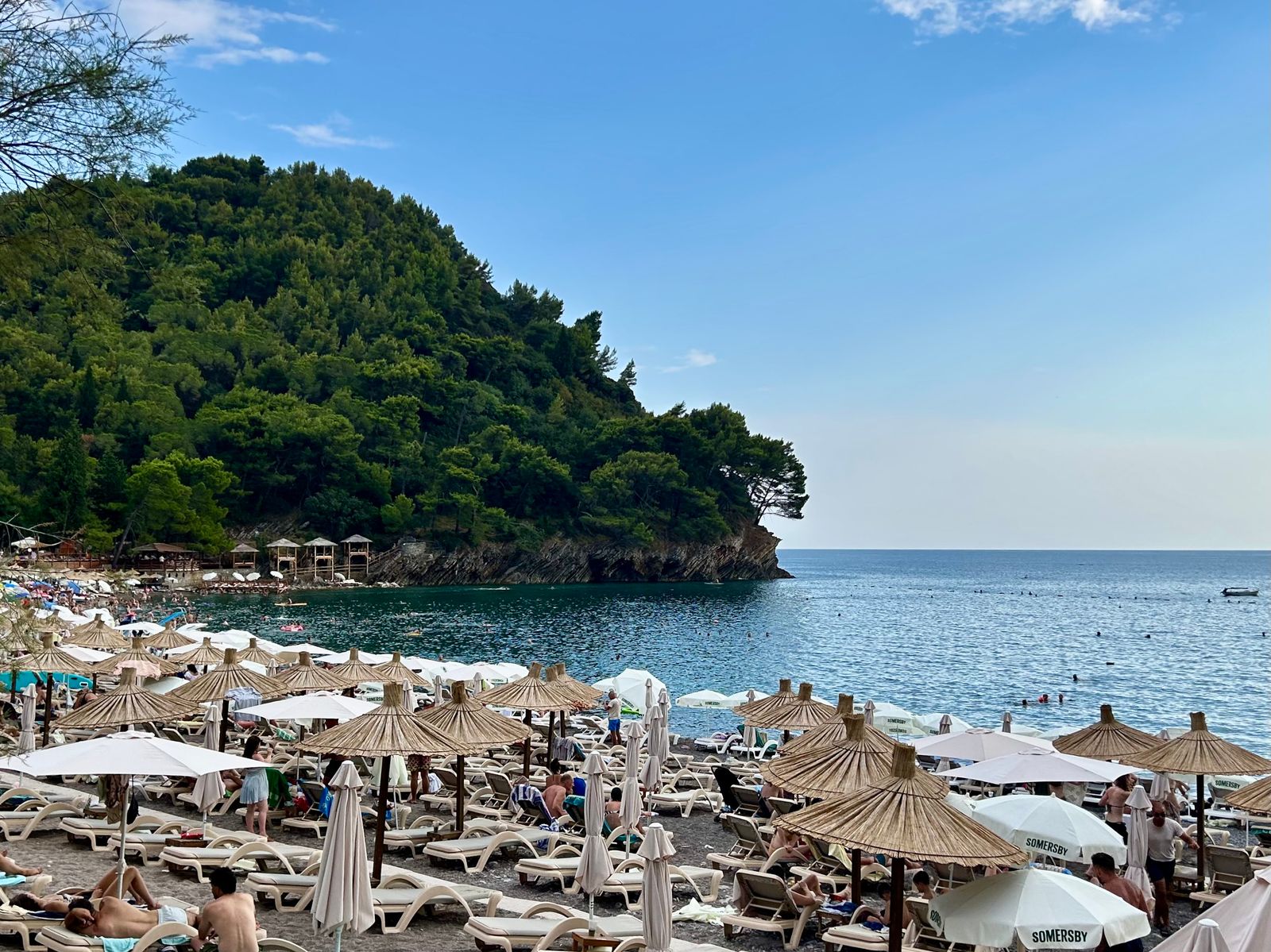
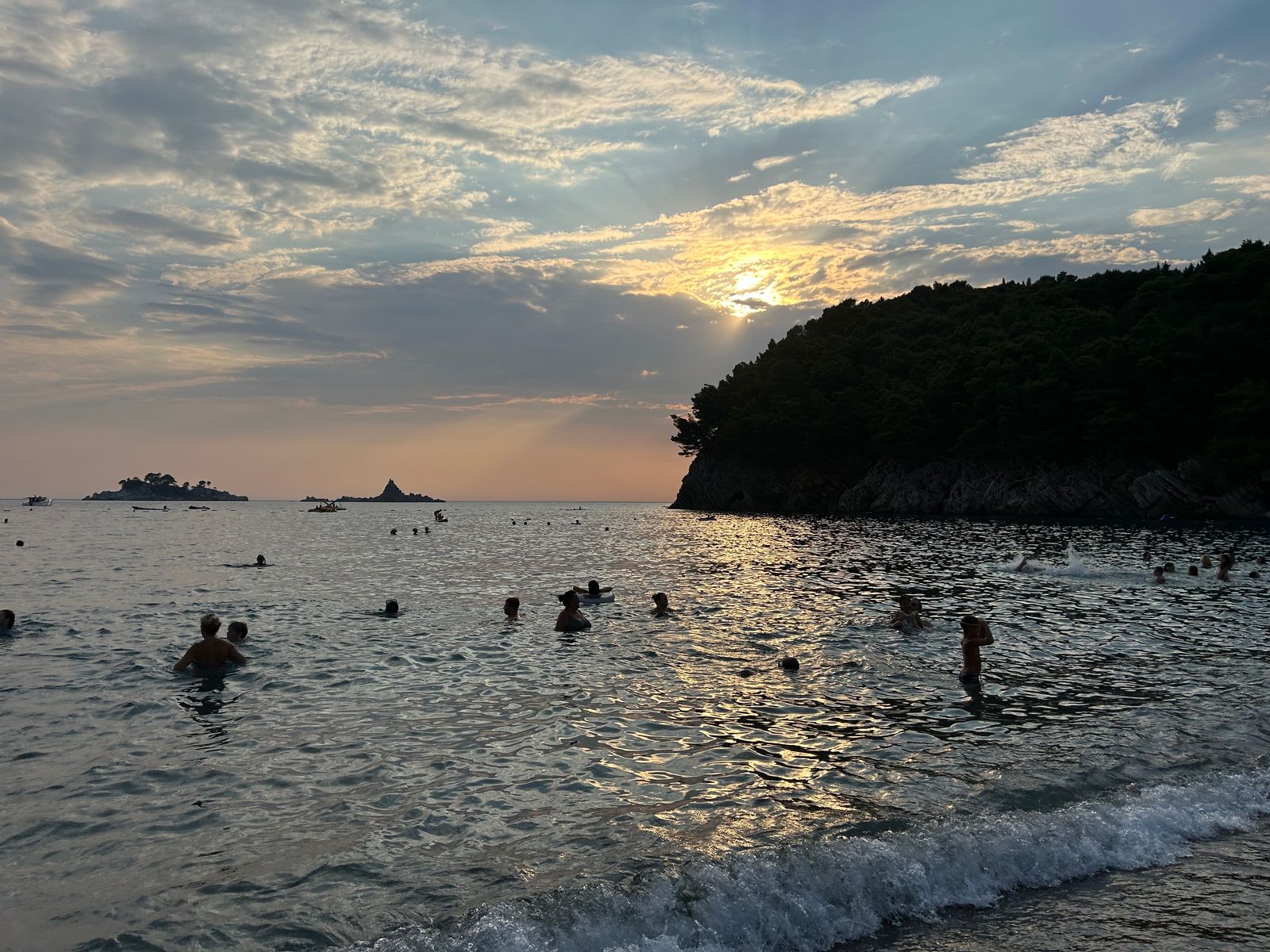
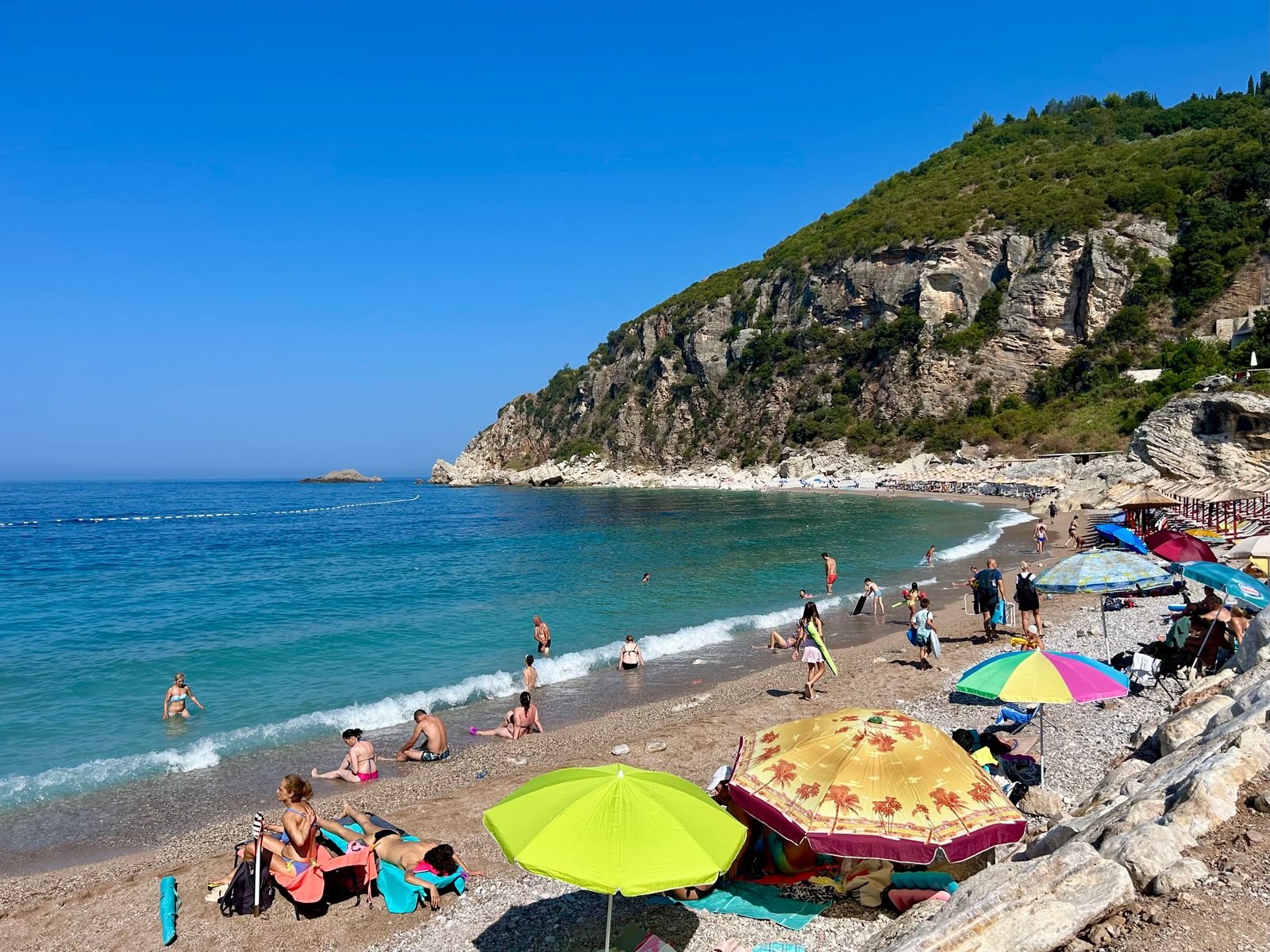
From Petrovac, our days settled into a rhythm: swim at Lučice beach, usually twice — once in the morning before it filled up, once again in the late afternoon when the light turns golden over the bay. The beach itself is stunning: crystal-clear water, a mix of golden sand and fine pebbles underfoot, and green, pine-covered hills rising on both sides of the cove. Their reflection turns the water almost emerald near the shore.
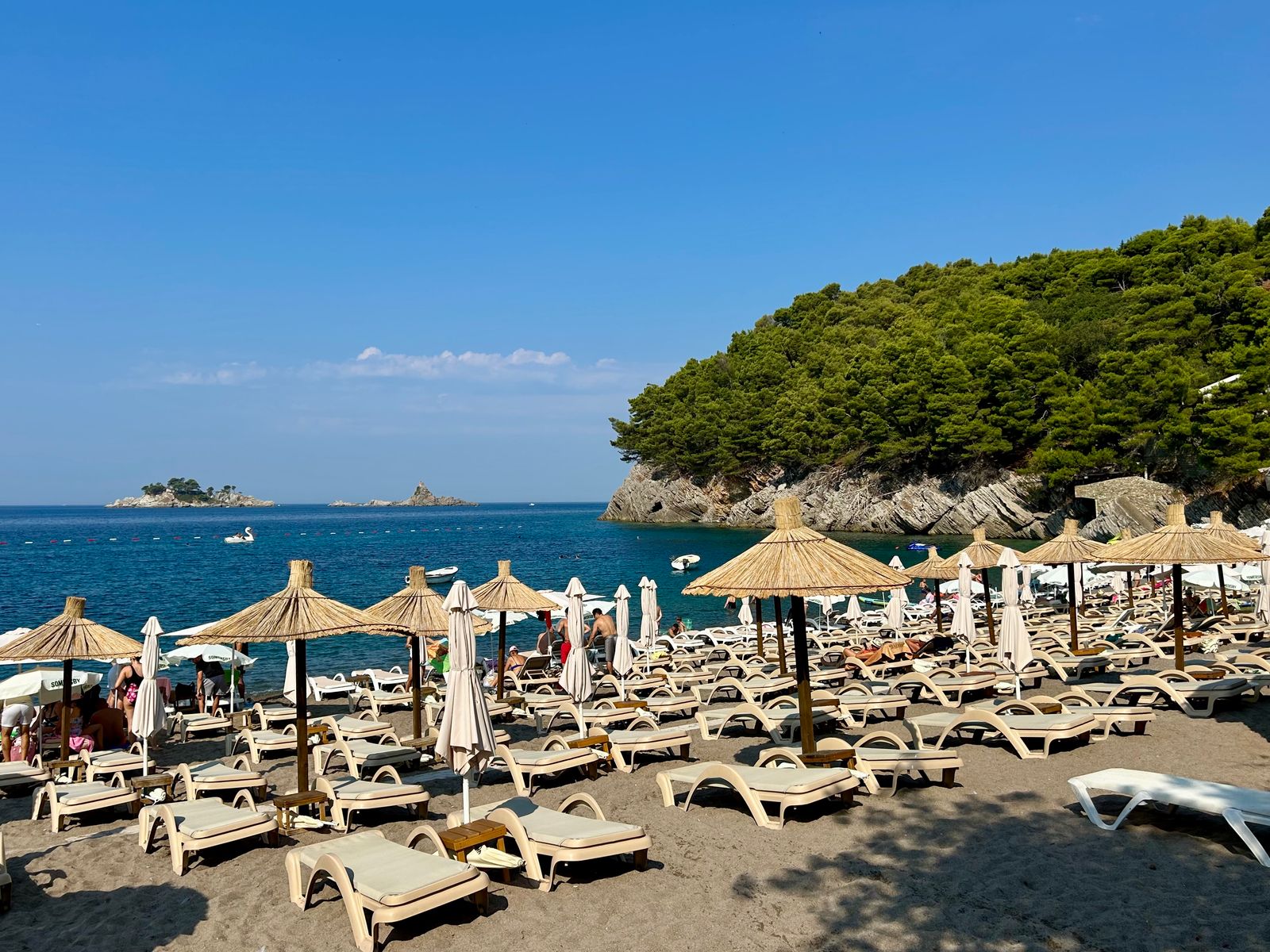
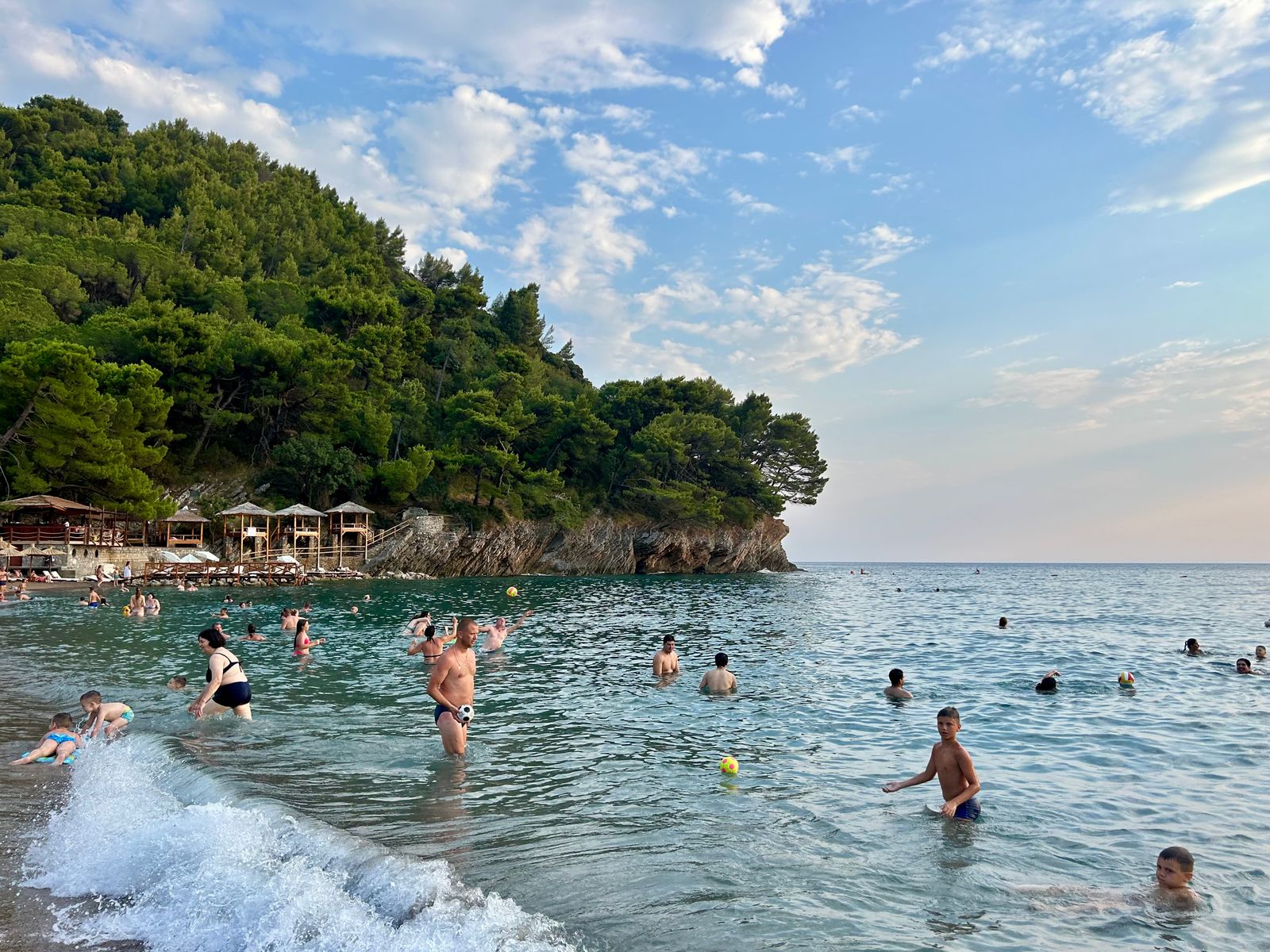
Unfortunately, like most beaches in Montenegro, it gets crowded fast, and sunbed prices border on the absurd — anywhere from EUR 30 for the set, to what feels like no upper limit at all. We skipped that entirely: bring your own towel, find a spot on the sand or pebbles, swim, and head back. No one questions it, and it saves a genuinely ridiculous amount of money if you’re at the beach twice a day like we were.
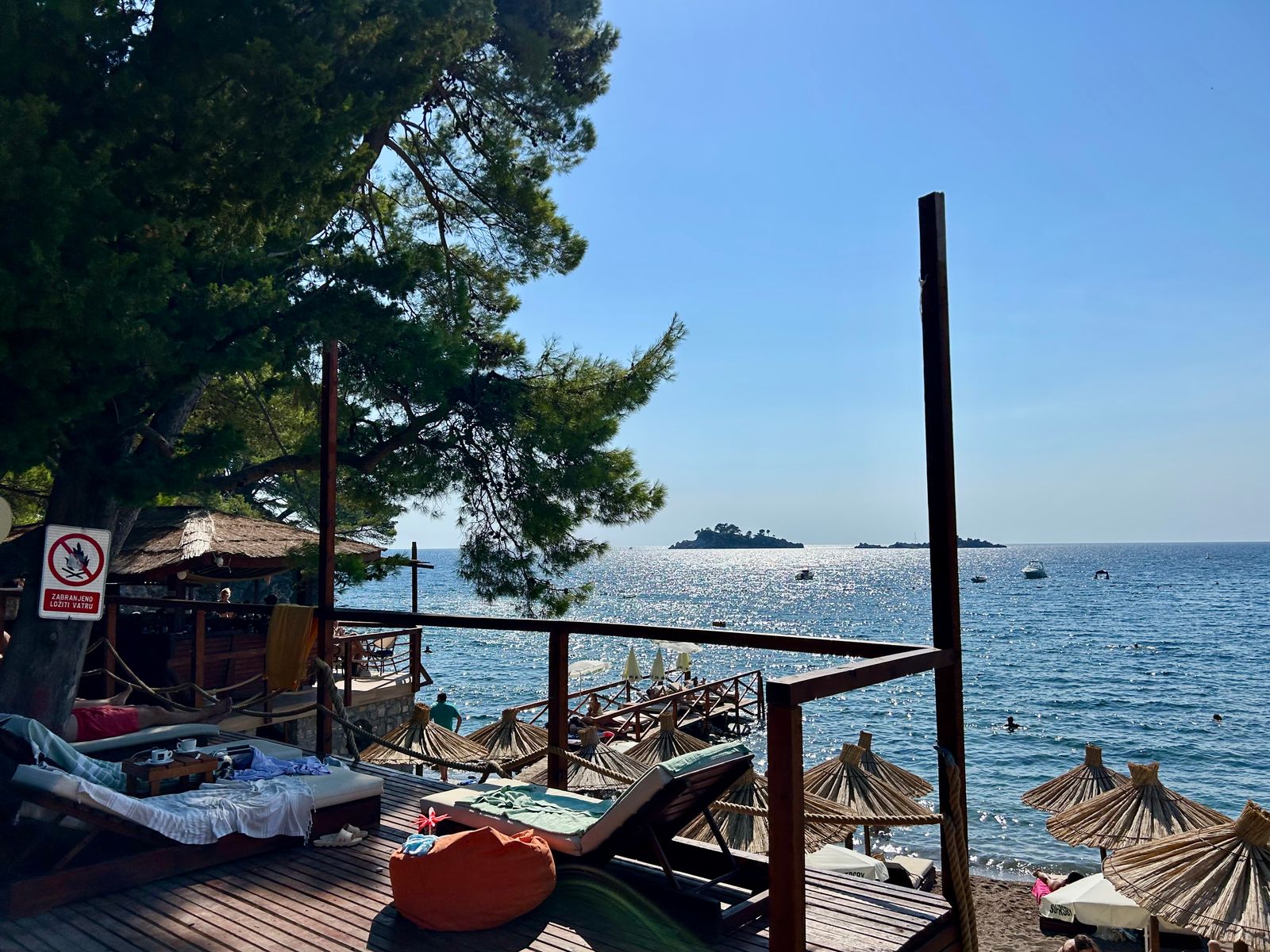
We also hiked a couple of times to Perazica Do beach along the coastal path called the Path of Health, a 30–40 minute walk that starts from the hotel Danica through pine forest with incredible sea views most of the way. The beach was beautiful, but we preferred Lučice, however the hike was a good idea.
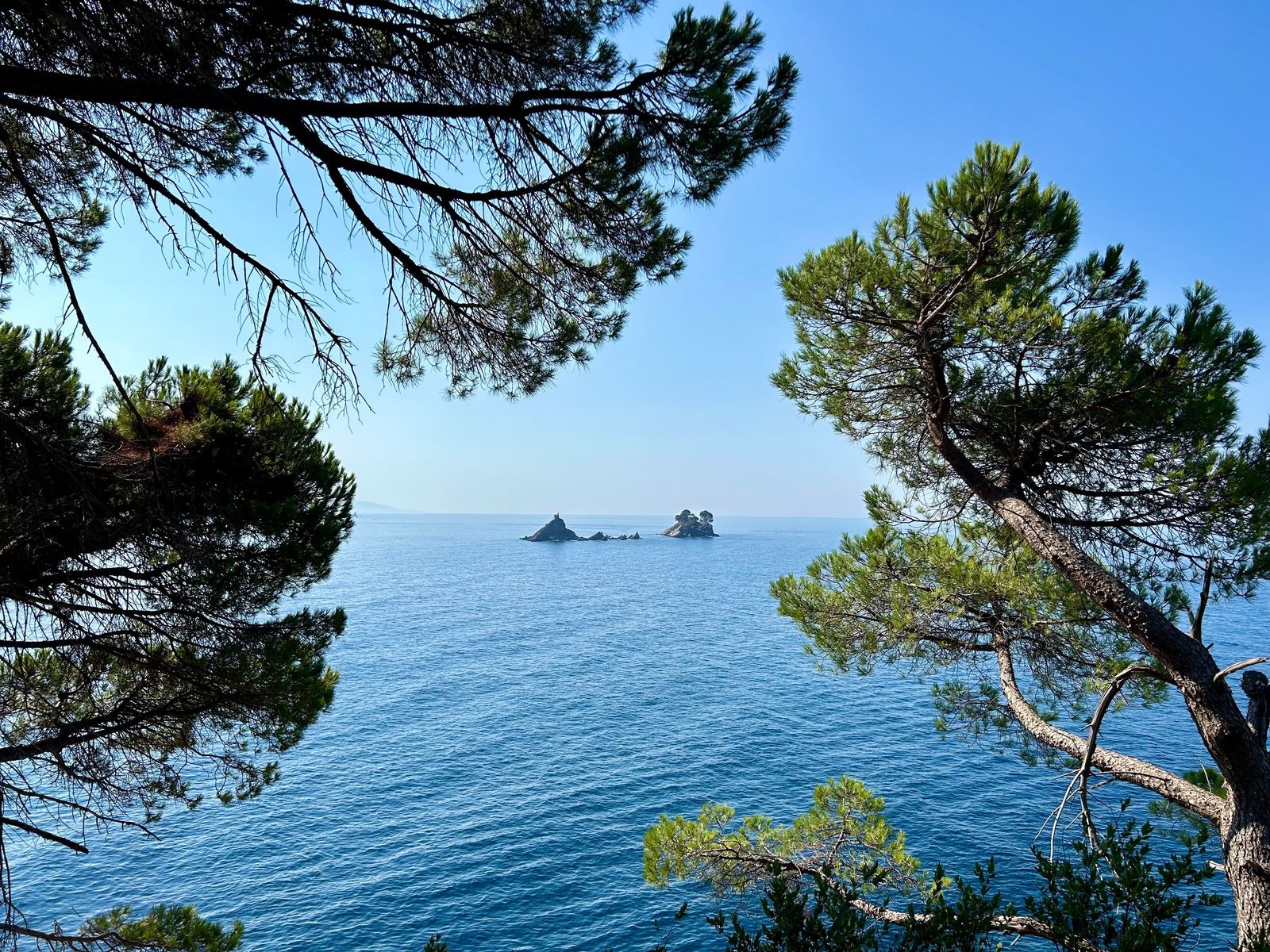
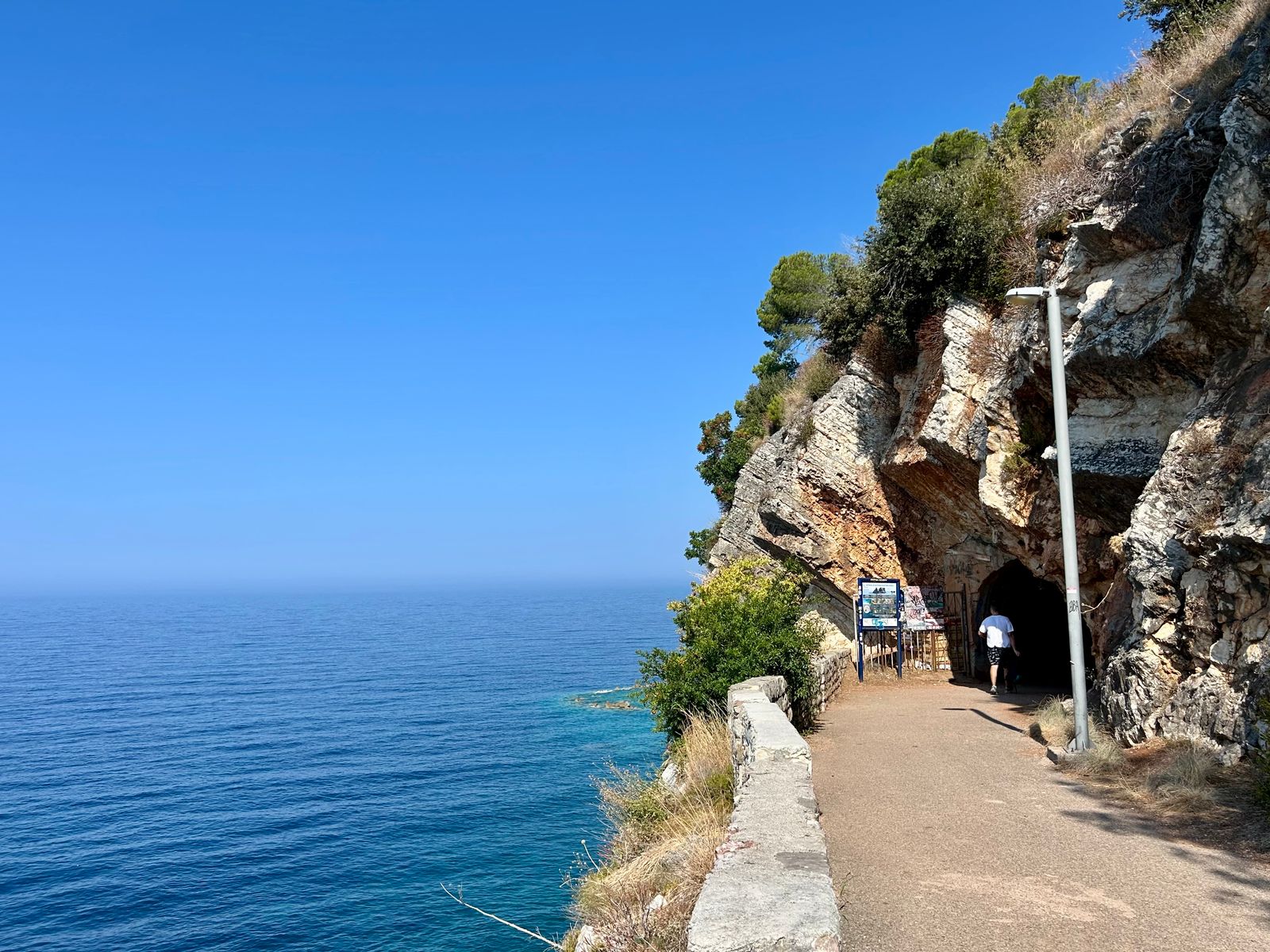
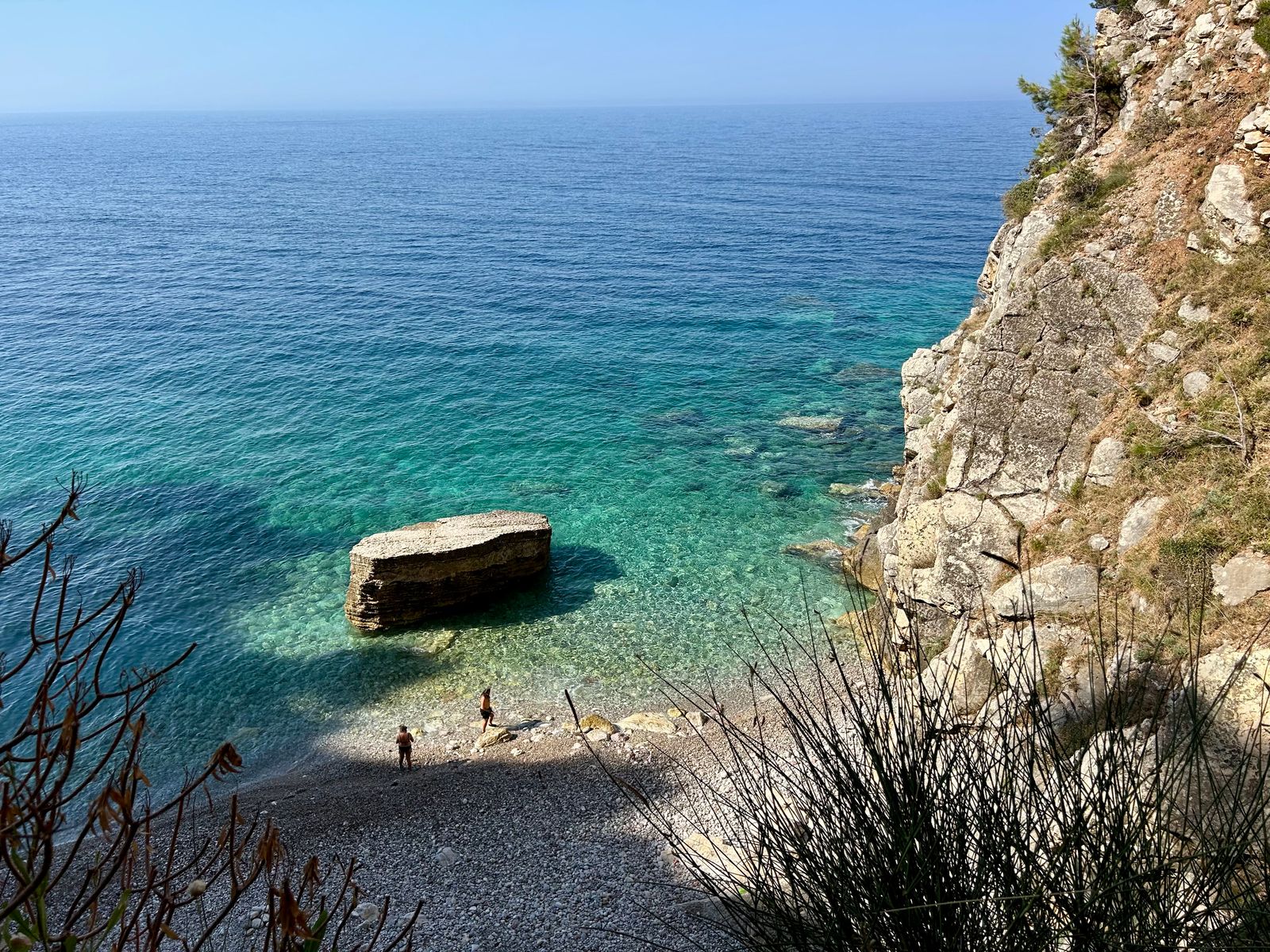
There were shorter hikes around the hills near Lučice too, and plenty of wandering through Petrovac’s small old town, evening runs and walks along the coast and up and downhill in the old town.
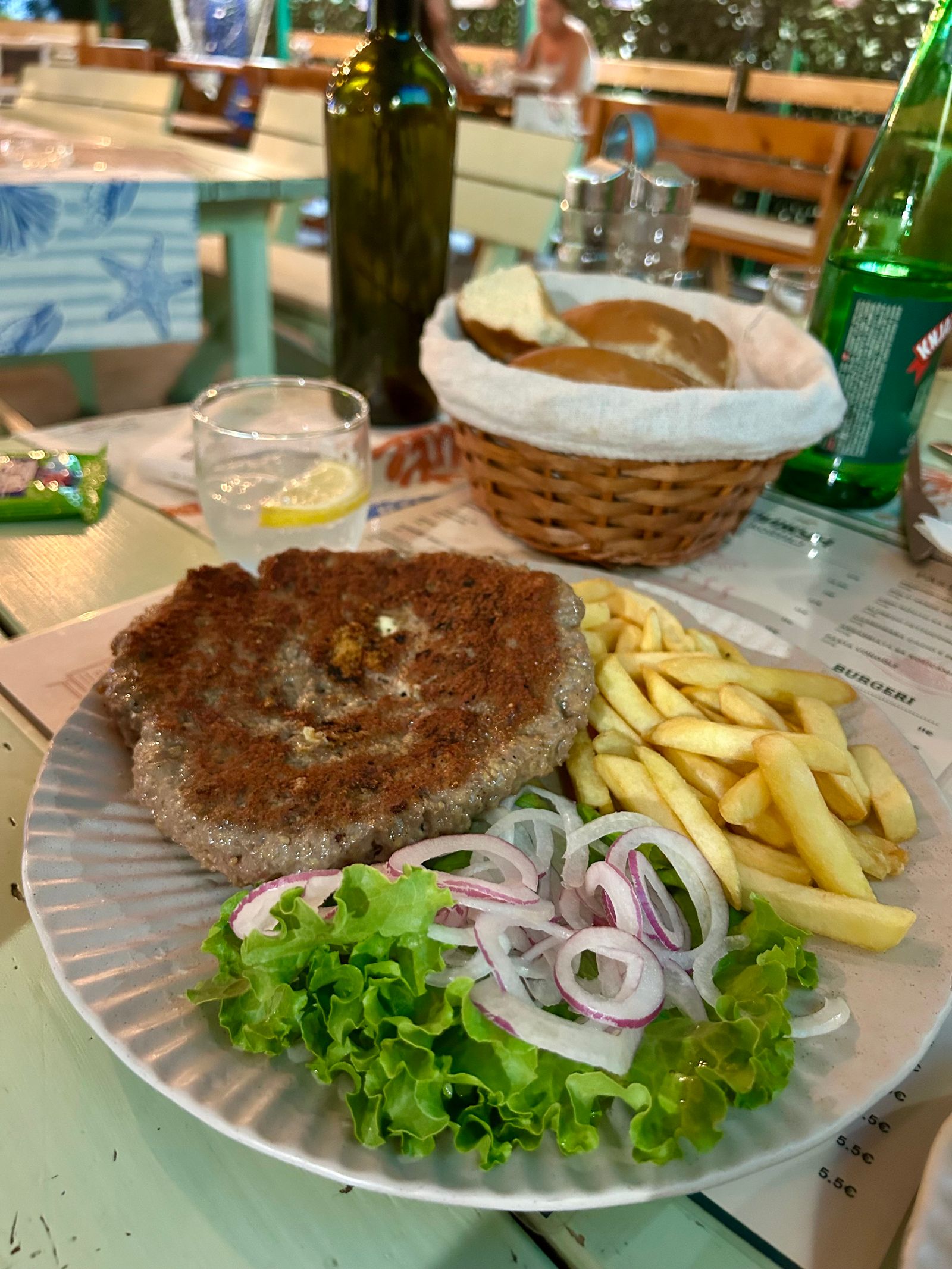
Food ended up being its own quiet theme of the trip, though maybe not in the way I expected. Balkan cuisine dominates most restaurant menus along the coast — dishes like pljeskavica and ćevapčići show up far more often than anything specifically Montenegrin, which fits with how imported a lot of the country’s everyday food culture feels, more on that later. Prices, meanwhile, were high across the board: this is not a budget destination, and costs already sit close to Western European levels almost everywhere you go, sometimes higher.
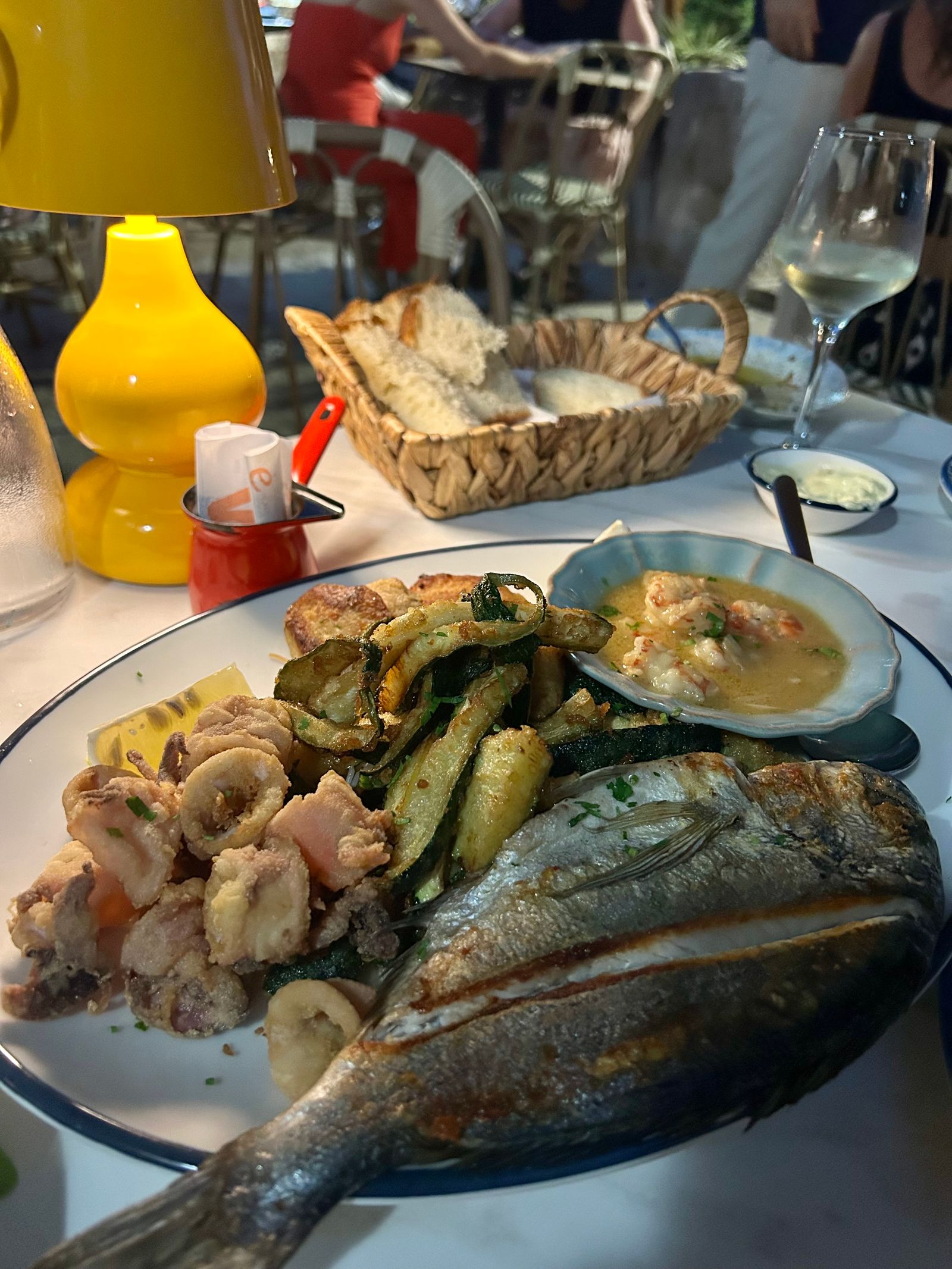
Our favourite spot, Taverna Kalada, was priced fairly typically for the area and became our go-to almost by default after the first visit. We ended up trying most of the menu over the trip: seafood starters including octopus, several variations of calamari, and consistently good fish dishes, all paired with a homemade white wine that was better than we expected from a small taverna. For four of us, dinner usually meant a couple of starters to share plus two mains to split between everyone, along with wine and sometimes a dessert or two — the whole meal came to around EUR 85–100, which felt like a fair, fairly standard price for the region, but the food as indeed delicious.
Day Trips by Car
With Petrovac as home base, we took the car out for a handful of day trips along the coast. Everything on this list was doable in a half-day or less, and most of it we did in a single morning or afternoon — out early, back before the heat peaked, and still in time for a second swim at Lučice before dinner.
Budva (~20-30 min) — Budva’s Old Town is one of the oldest fortified settlements on the Adriatic, with over 2,500 years of history behind it. The current walls and much of the architecture date from the Venetian period (15th–18th centuries), though what you see today is largely a careful reconstruction after a 1979 earthquake leveled much of the original town.
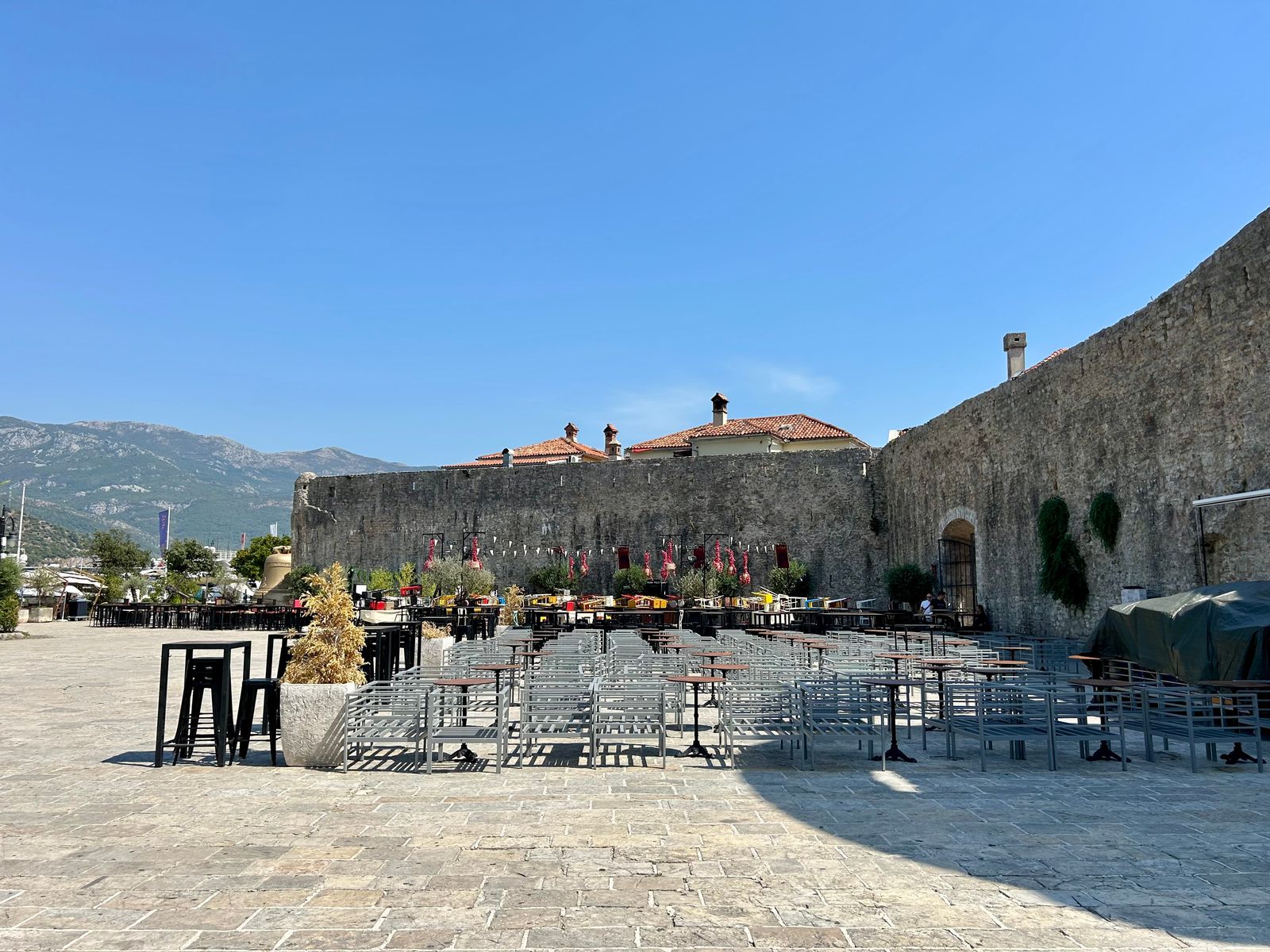
The Old Town is beautiful and well-preserved, definitely worth a walk-through, but it felt very touristy, and it’s quite small — you have a feeling you’ve explored everything a few times over while being there less than an hour.
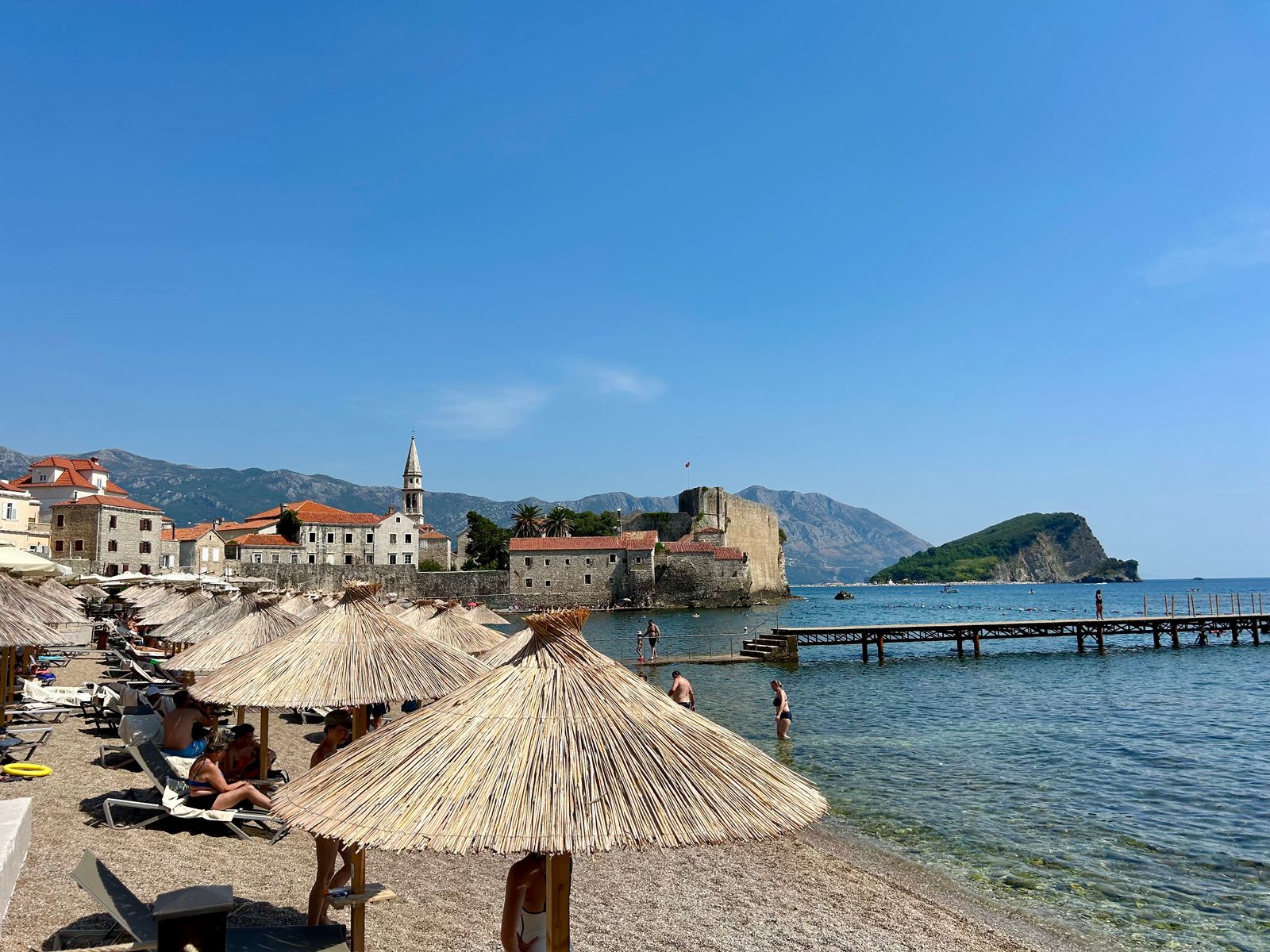
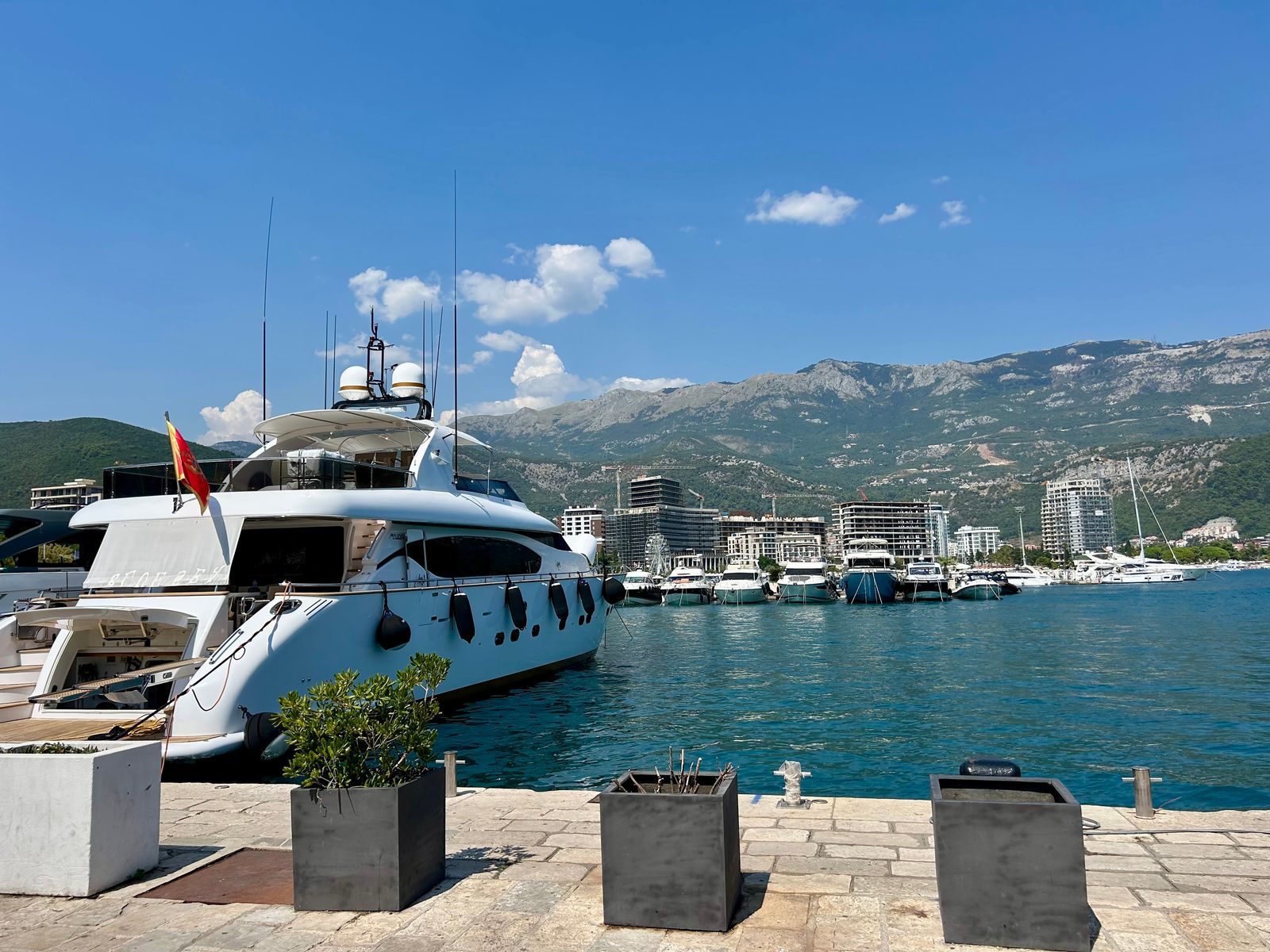
Regarding the food, there is one place in the center that we liked the most — Pera Focaccia & Resto Bar — with great focaccia sandwiches. Budva itself (apart from the Old Town) is nothing special, and reminded me a lot of Limassol — a posh town in Cyprus pretending to be a metropolis. Huge tall modern buildings everywhere, mostly tasteless — exactly like in Limassol.
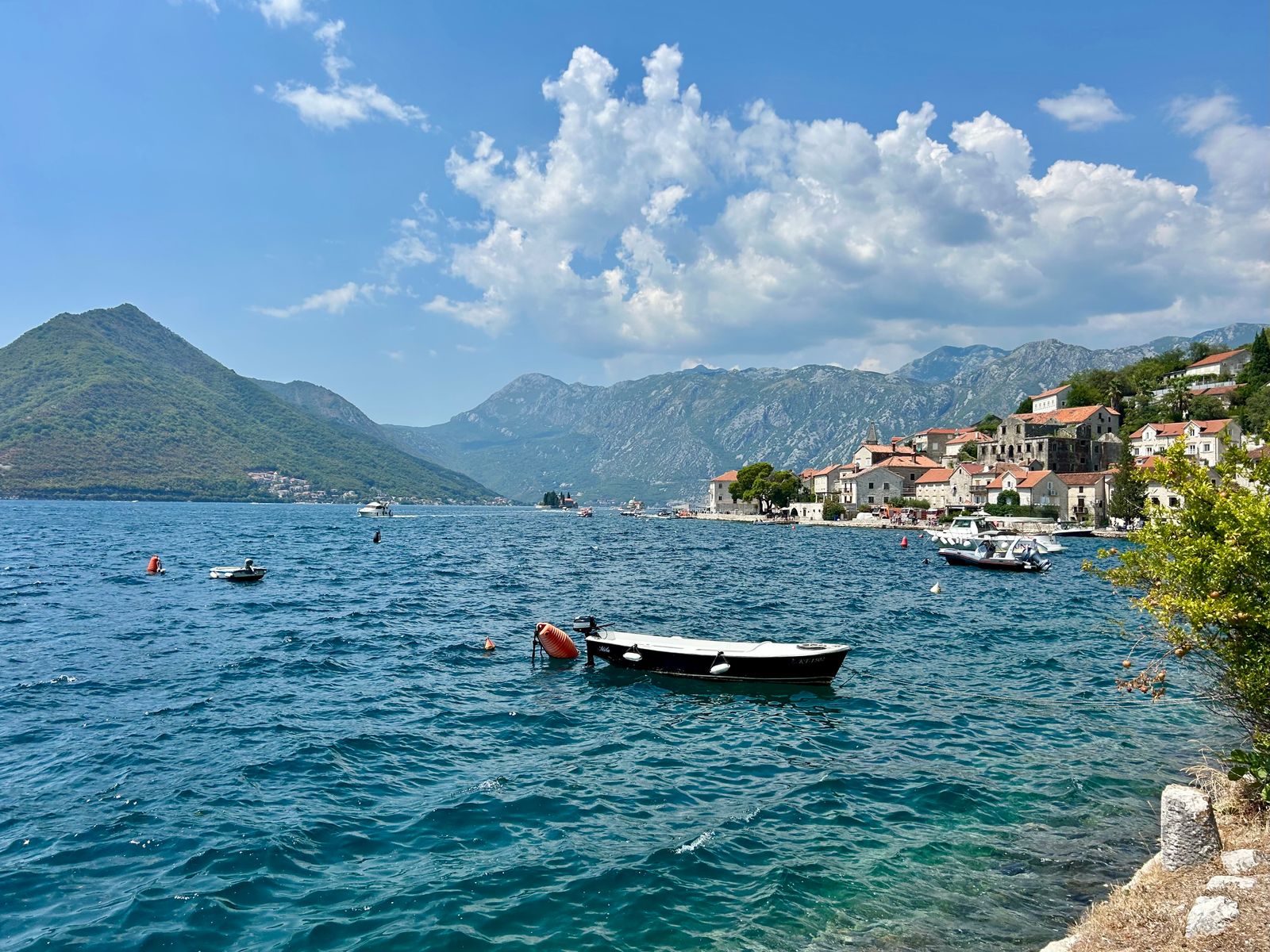
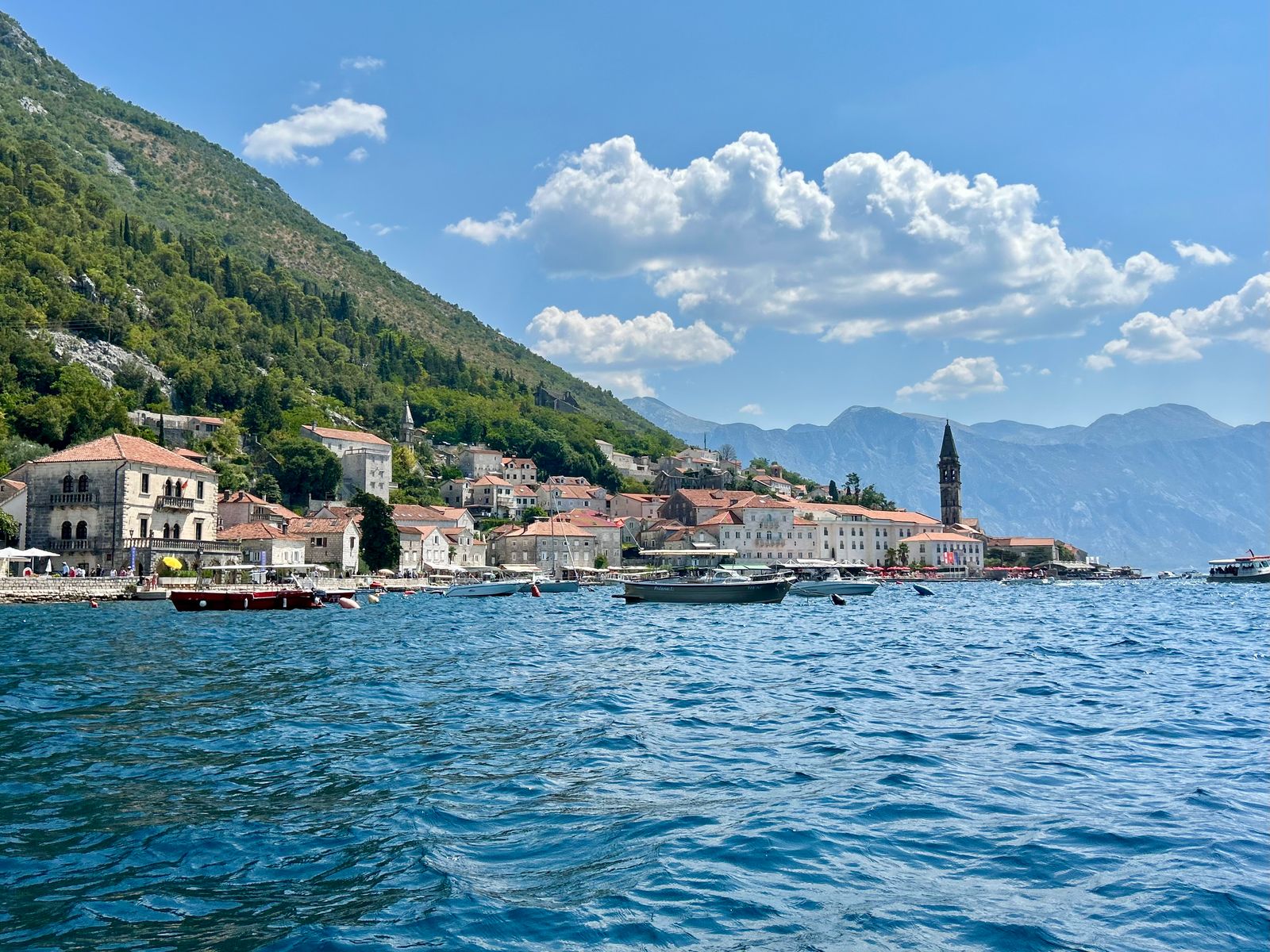
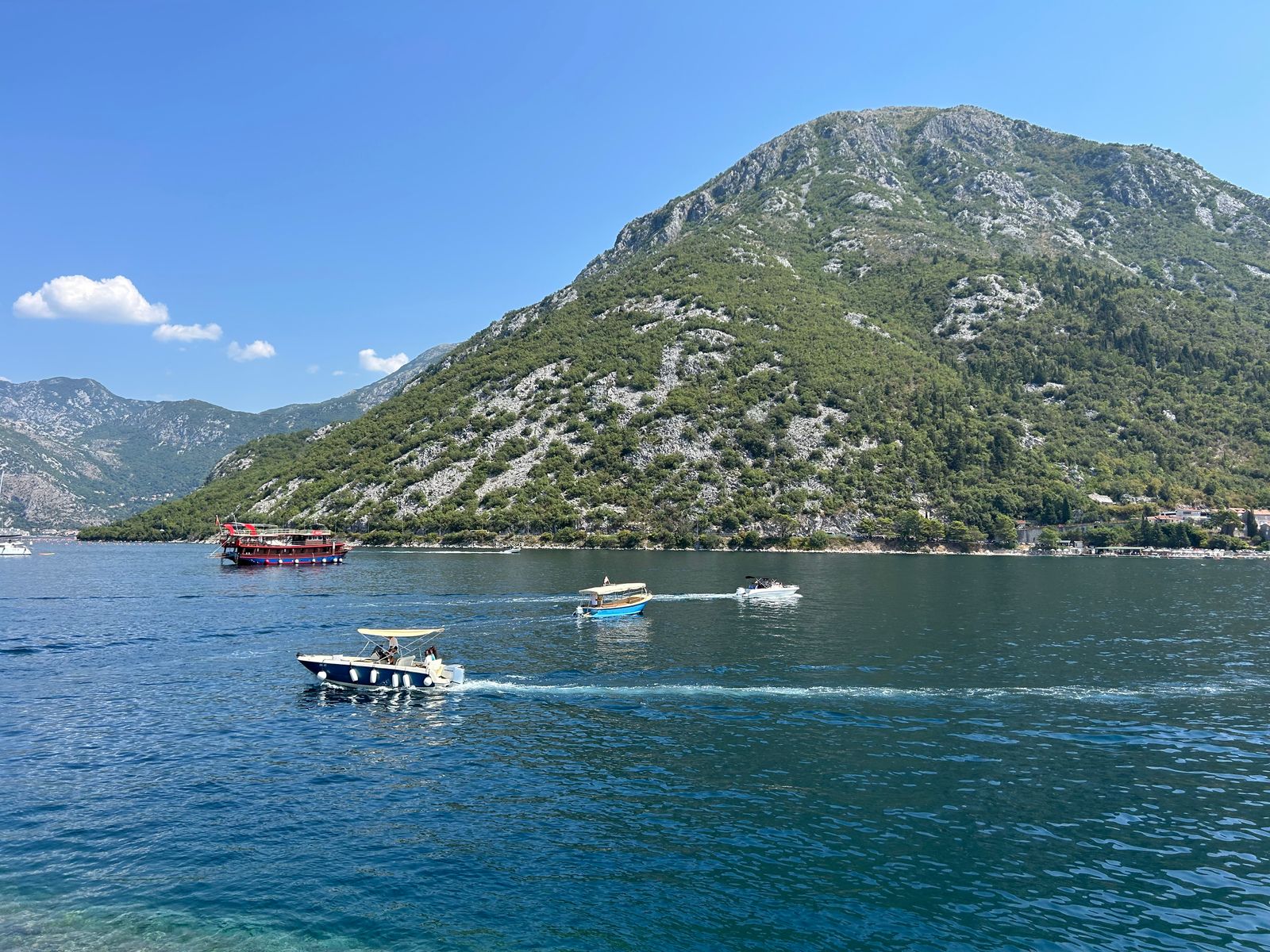
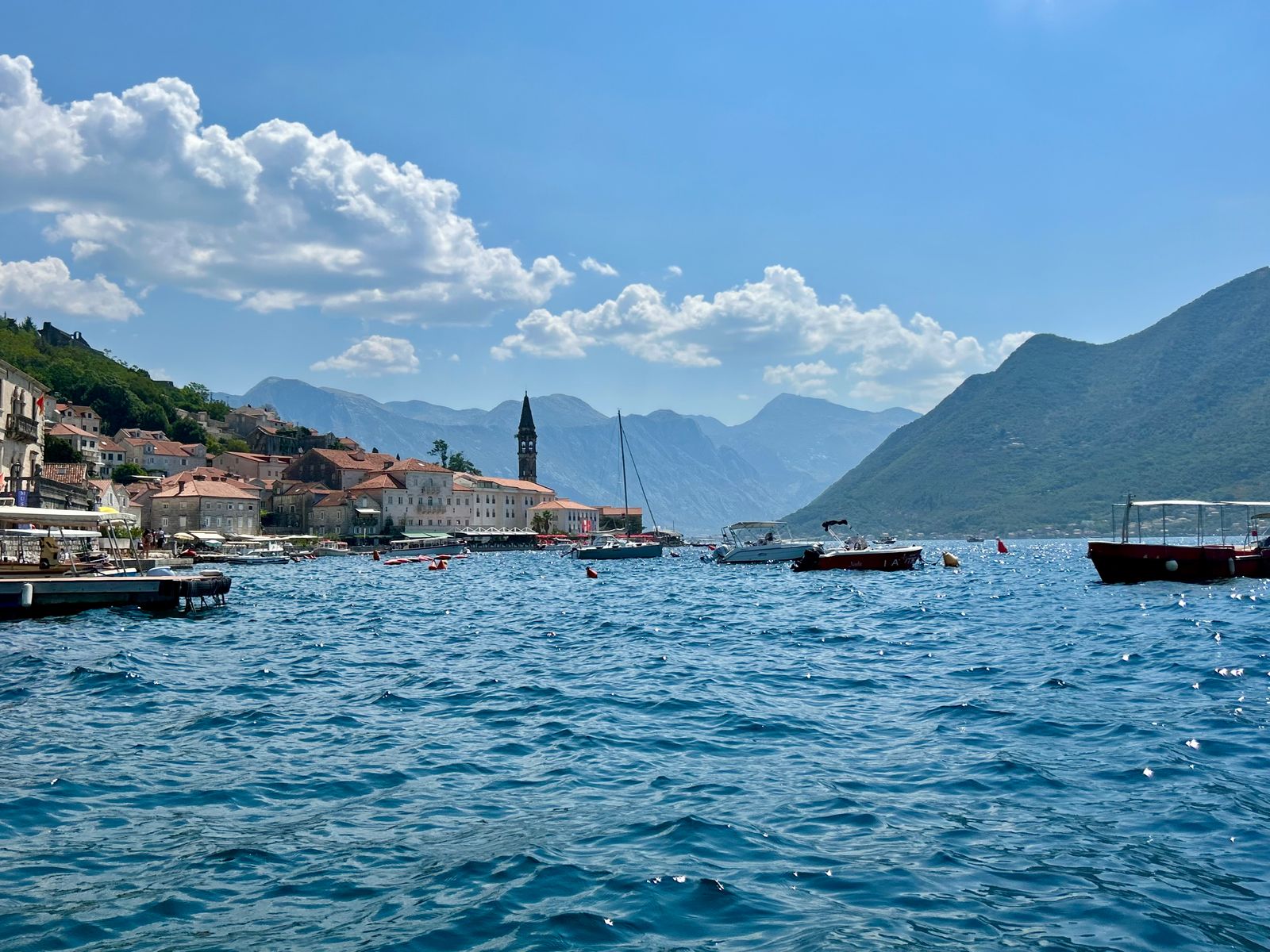
Perast (1-1.5 hours) — the highlight of the trip. Perast was a thriving maritime center under the Venetian Republic, home to wealthy sea captains and merchants whose legacy lives on in its Baroque palaces and churches. The town had its own fleet of hundreds of ships and a renowned naval school — for nearly 300 years, skilled sailors from Perast defended the Bay of Kotor against Ottoman pirates under the Venetian flag. This small Venetian-era town on the Bay of Kotor is genuinely stunning — I cannot even describe how beautiful and elegant this town is, just look at the photos.
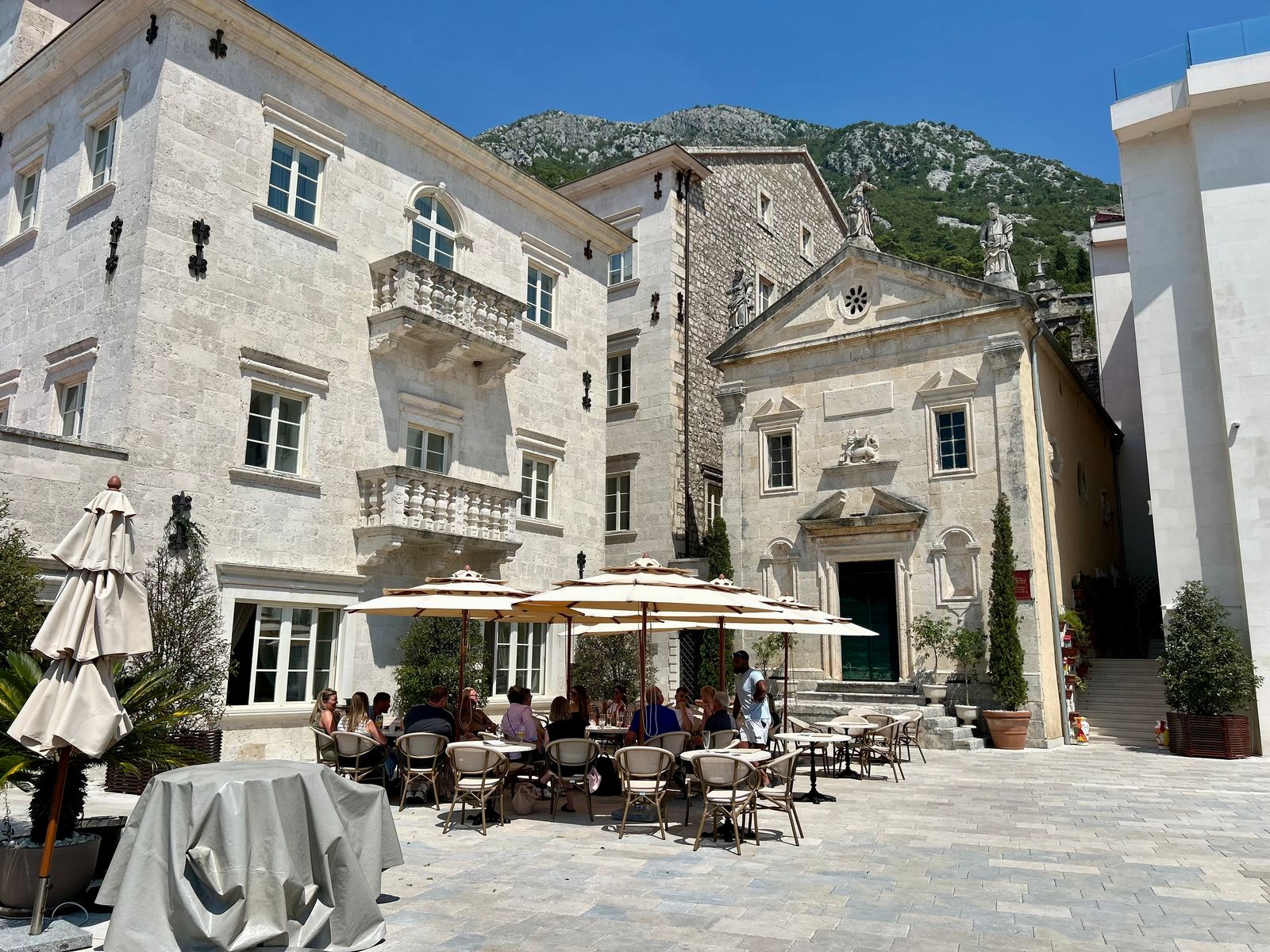
We also added a short boat trip out to Our Lady of the Rocks, the man-made islet with its church and a small museum just offshore. According to legend, the island was created after two local fishermen found an icon of the Virgin Mary on a rock in the bay in 1452. Over the next two centuries, sailors celebrated safe returns by dropping stones around the original crag, gradually building up the artificial island that supports the church today.
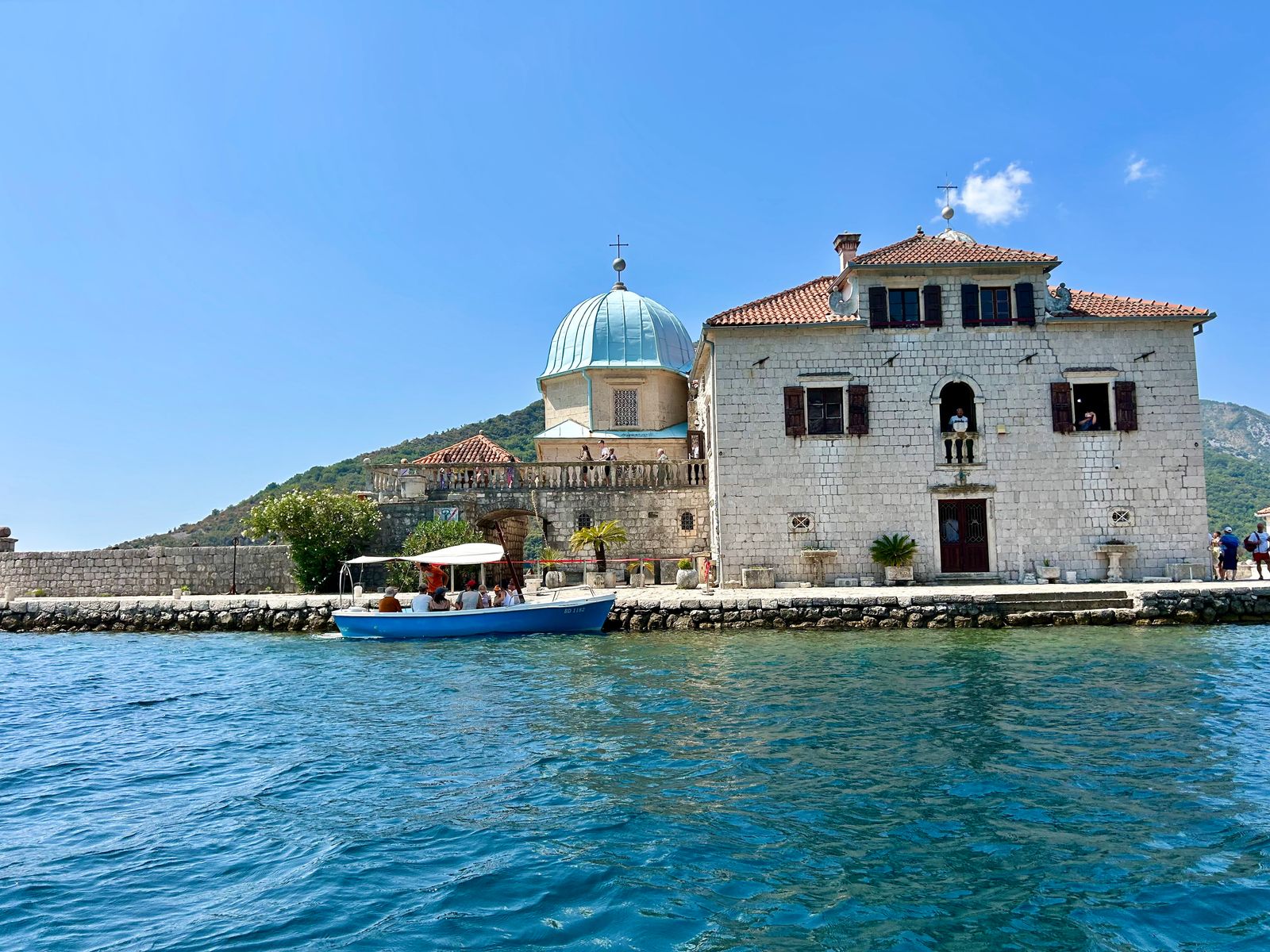
The crossing takes about five minutes and punches well above its length — worth doing even on a tight schedule. To be honest, we hadn’t planned doing this boat trip in advance — just when we arrived, we realised that it was almost impossible to park the car there, but the boat trip organisers offered a parking spot at their lot — which was free for us after taking the boat trip. We paid EUR 20 per person, including the actual boat trip, visit to the museum and the parking. In my opinion, it was overpriced, but it was worth it.
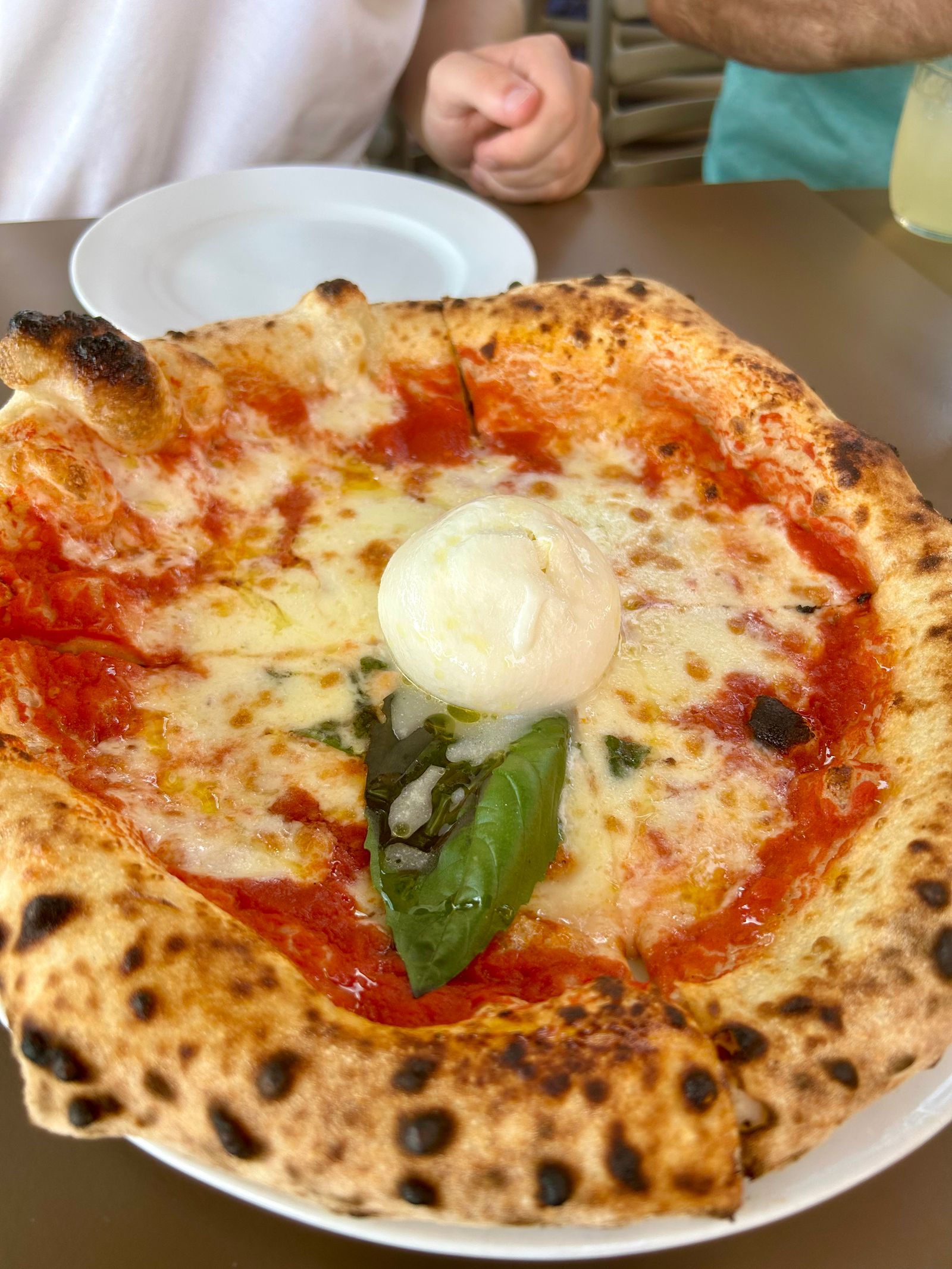
There are plenty of cafės and restaurants along the promenade; we picked an Italian place serving amazing Neapolitan-style pizza — Bocalibre.
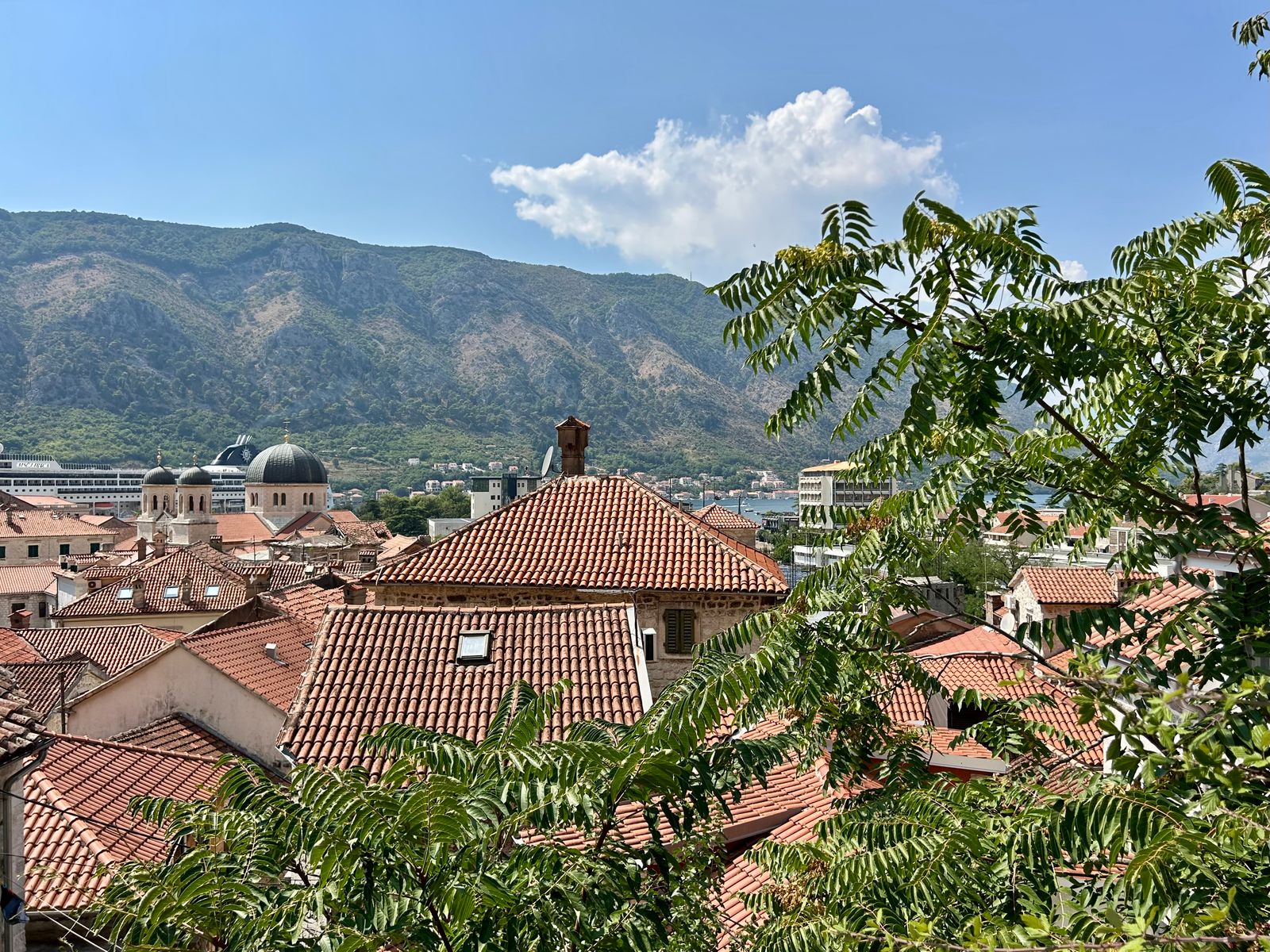
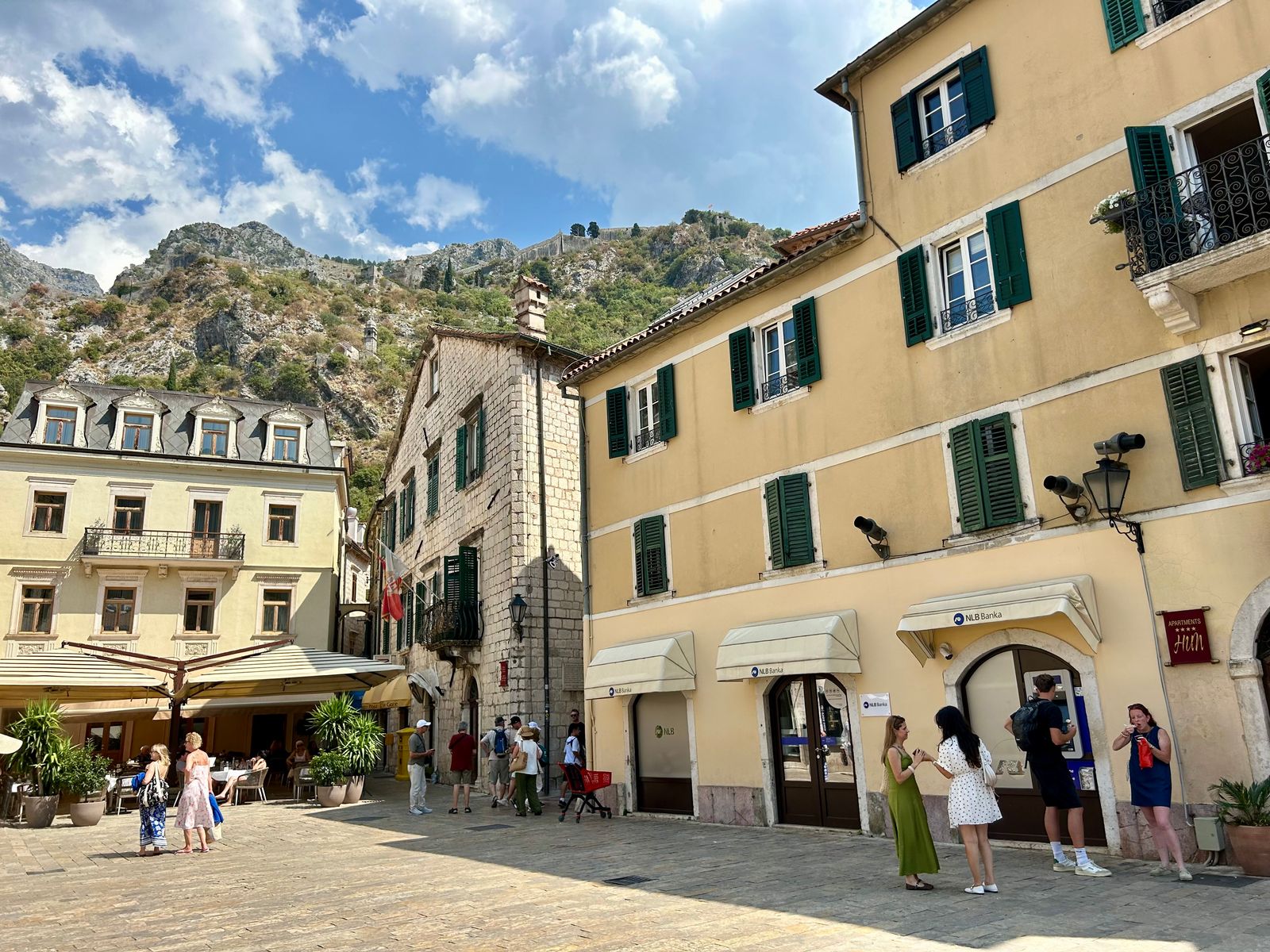
Kotor (50 min-1 hour) — another great place to visit. Kotor has one of the best-preserved medieval old towns in the Adriatic and holds a double UNESCO World Heritage designation: it’s part of both the Natural and Culturo-Historical Region of Kotor and the Venetian Works of Defence. The city has been fortified since the early Middle Ages, but its present character comes from nearly 400 years of Venetian rule (1420–1797), during which the fortifications were repeatedly rebuilt and extended up the cliff face.
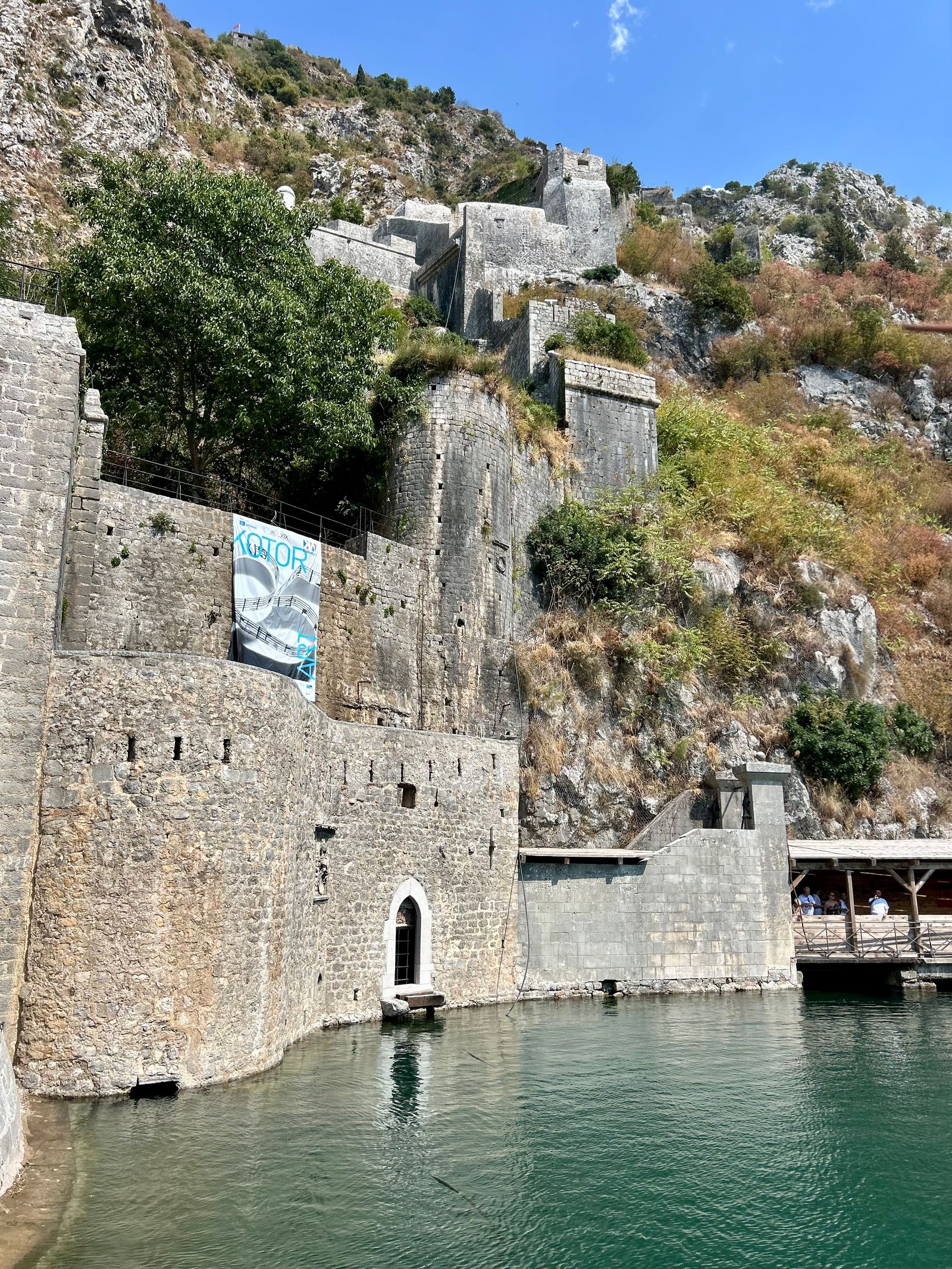
The Old Town, the bay setting, the walls climbing the hillside — it lives up to its reputation as the region’s must-see stop. The Old Town was quite busy, but spacious enough to keep distance from the crowds and occasionally get lost in empty narrow streets. Don’t be afraid to climb a bit if you see another uphill promising something interesting ahead — in most cases it will be worth it.
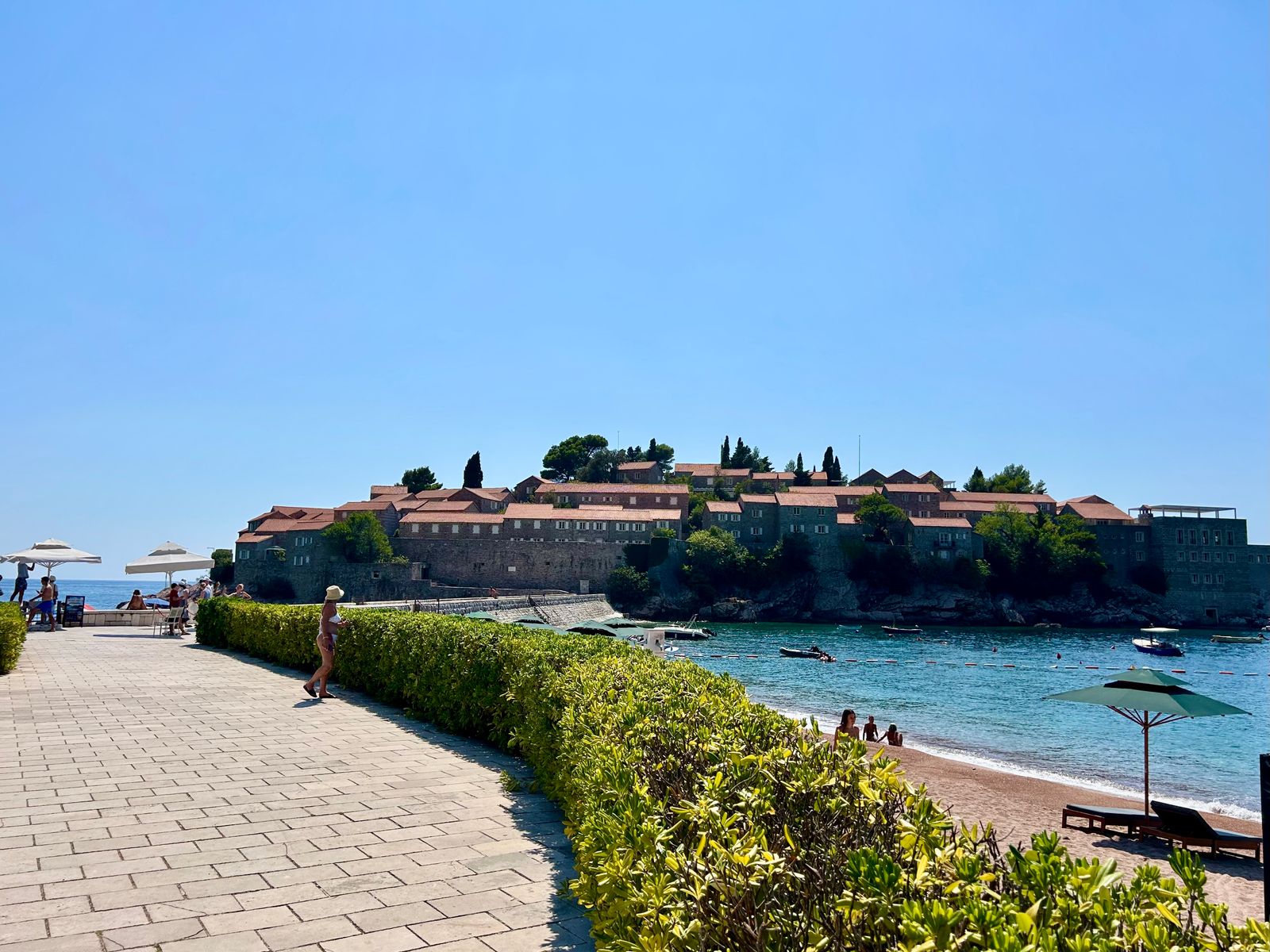
Sveti Stefan (~12-15 min) — expensive and clearly built for a different kind of traveller. The island was originally a 15th-century fishing village, but in the 1950s it was transformed into an exclusive hotel resort — the entire peninsula is now privately owned and operated as a luxury destination.
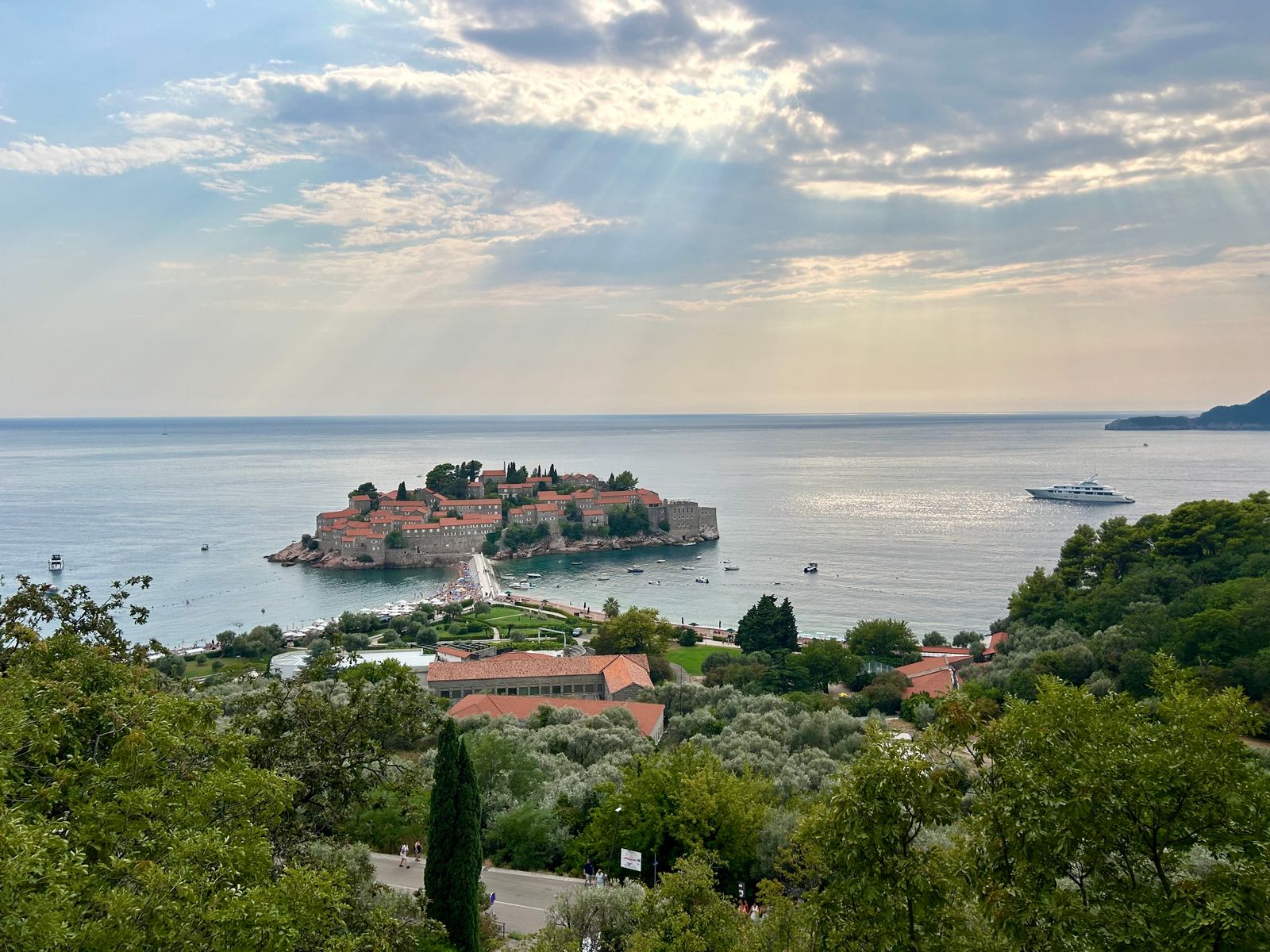
Beautiful to look at from a distance, but the town itself felt closed off, geared toward a luxury crowd rather than casual visitors. You cannot actually walk onto the peninsula to explore the Old Town if you are not staying in one of those luxury hotels for rich people. You can only view it from the mainland — the view is beautiful, but those access limitations, and also fancy empty beaches reserved for the rich a few metres after super crowded public beaches for normal people, create not a very nice contrast.
What I Noticed About Montenegro
A few honest impressions beyond the sightseeing: Montenegro’s stretch of the former Yugoslavia coast gave it mainly the sea, and it shows in the everyday economy — there’s very little in the way of distinct local products, and a lot of what you find in shops and markets is imported from Serbia. What Montenegro does have, though, is genuinely impressive: friendly people wherever we went, a good climate even in peak summer (during these 11 days in mid August the temperature was around 30-35 degrees, and with the sea breeze it felt cooler), and some of the most striking nature I’ve seen packed into such a small country — steep mountains dropping almost straight into the Adriatic, visible from almost anywhere we stood.
A Different Kind of Trip
If I’d been there with my partner instead of my family, this would have been a completely different trip — more active, more spontaneous, less anchored to one base, with early starts and longer hikes, we would have definitely explored the mountains, hiked in the national parks and probably covered some areas in the nearby countries as well.
But that’s not a complaint. Traveling with parents and a brother meant choosing a slower pace on purpose: one accommodation, familiar routines, home-cooked dinners, and day trips that didn’t push anyone too hard. It turned out to be exactly what this particular summer needed — relaxing, family-focused, and unhurried, with just enough sightseeing to make it feel like a real holiday. And there’s something to be said for watching your parents fall in love with a place you picked, rather than the other way around.